On a quiet morning, Amira arrived at the local health clinic, clutching her feverish child tightly against her chest. Her heart pounded with worry as she approached the building, only to find the doors locked. She sat on the wooden bench outside, rocking her child gently, whispering prayers under her breath, and watching the minutes crawl by. Finally, the doors creaked open. A health worker arrived at the clinic late and without a word of explanation. Amira experienced a mixture of relief and frustration as she finally gained access to care. Each minute of waiting had felt like an eternity, and she struggled afterwards to overcome the sense of disappointment she experienced when she most needed healthcare assistance.
In emergencies where every second can determine life or death, the absence of a health worker accelerates the risk of a potential tragedy. Each moment lost to absence can be the difference between a life saved and a life slipping away. This is the unseen cost of absenteeism in Nigeria’s healthcare system: a mother who fears she might lose her child while waiting, a father who spends his last money on transport only to return home without medicine, and the communities whose trust in the health system grows thinner with workers missing at their duty posts. The rate of absenteeism creates a painful divide between the care people seek and the care they receive.
Primary healthcare facilities in Sub-Saharan Africa are particularly affected by the critical shortage of healthcare workers. The persistent issue of absenteeism among healthcare workers exacerbates this challenge. Absenteeism is generally understood as a voluntary failure to report for duty while not officially excused, excluding situations such as illness, approved leave, or other unavoidable obligations that result in an involuntary absence from duty. (Belita, Mbindyo & English, 2013).
A World Bank working group study revealed that in ten Sub-Saharan African countries, including Kenya, Madagascar, Mozambique, Nigeria, Niger, Senegal, Sierra Leone, Tanzania, Togo, and Uganda, only about 70% of healthcare workers were present in clinics during scheduled working hours. This is especially concerning given that the region shoulders roughly 25% of the global disease burden yet has just 3% of the world’s healthcare workforce to respond to it. Absenteeism among such a limited pool of health workers deepens the crisis, restricting access to care and further straining already fragile systems (WHO, 2009).
The strain is often heaviest on the health workers who do show up. Day after day, they face an overwhelming tide of patients, which inevitably leads to fatigue, stress, and declining job satisfaction. Each time a colleague is absent, whether by choice or due to unavoidable circumstances, the pressure intensifies. Over time, this relentless burden can push even the most dedicated staff toward burnout, causing them to miss work themselves. Overwork quickly spirals into a vicious cycle, with low morale fueling voluntary absences and rising absenteeism further undermining the system’s capacity.
Rural communities mainly rely on PHCs for essential services such as vaccinations, prenatal care, and child illness treatment, but often find these centers understaffed. It is undeniable that absenteeism has undermined trust and jeopardized lives. For policymakers, the solution must go beyond mere staffing numbers. It must ensure presence, accountability, and reliability.
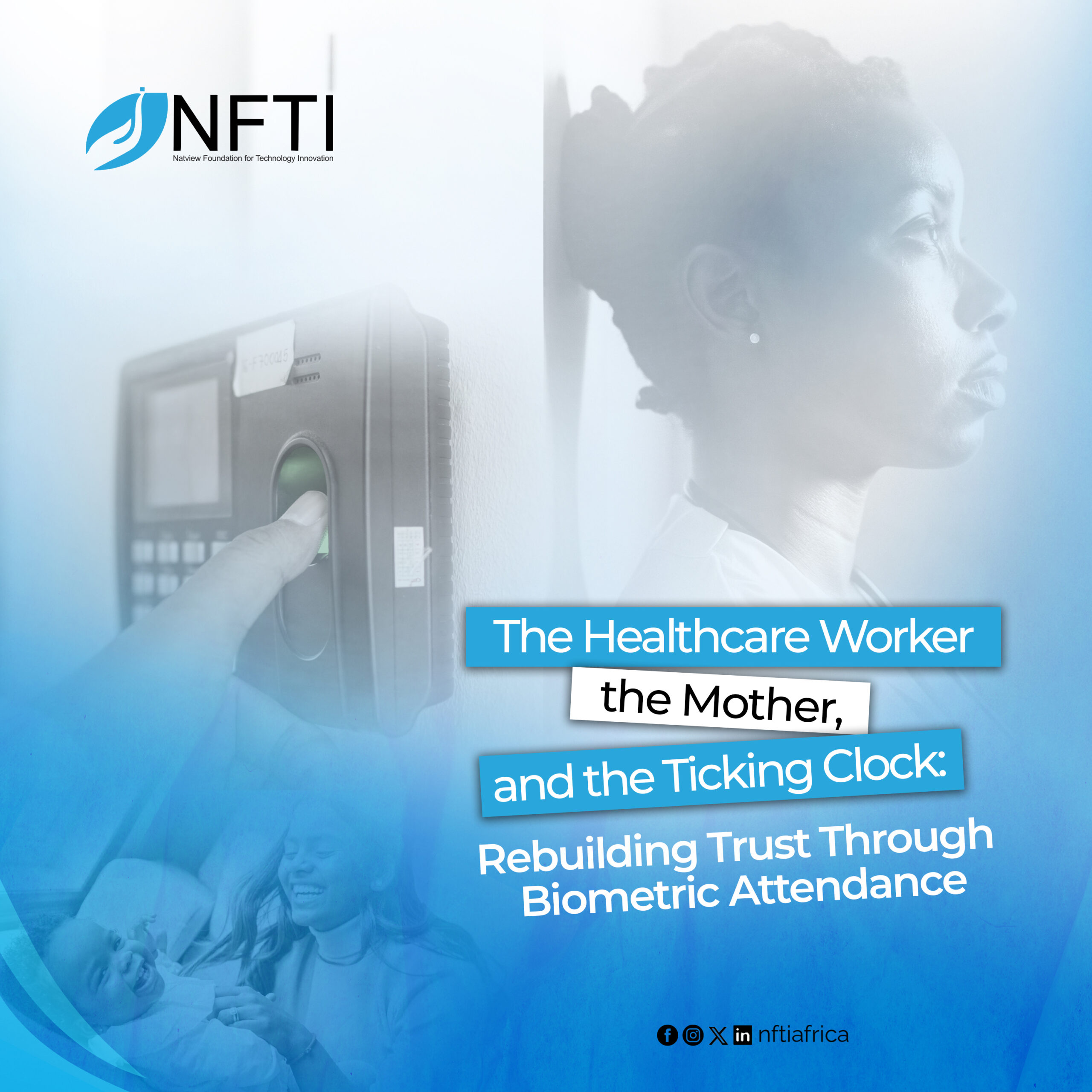
This is why the Kaduna State Primary Healthcare Board (SPHCB) and the Natview Foundation for Technology Innovation (NFTI) began an important pilot project to include biometric attendance in the Human Resource for Health Management Information System (HRHMIS) at 23 primary healthcare centers (PHCs). The aim is not to police or punish healthcare workers, but to protect our communities with patients arriving to find a healthcare giver ready and waiting.
The introduction of biometric attendance seeks to disrupt a cycle of manipulation and favoritism as attendance becomes visible and transparent. It protects the diligent caregiver and shines a light on patterns of absence while empowering health managers to respond swiftly, without fear or favor. Reliable staffing means fewer wasted trips for patients, especially in rural areas where transportation can be costly. Mothers arrive for antenatal appointments knowing someone will be there. Children scheduled for vaccinations receive them without delay. Trust returns to the health system both as a policy goal and a lived experience.
A World Bank working group study on ten selected Sub-Saharan African countries revealed that only about 70% of healthcare workers were present in clinics during scheduled working hours. This is especially concerning given that the region shoulders roughly 25% of the global disease burden yet has just 3% of the world’s healthcare workforce to respond to it.
There are, of course, challenges. Skepticism among health workers is real. Some worry the technology is designed to monitor and penalize. While biometric attendance is not a panacea, it can serve as a significant turning point, particularly when combined with open communication, stakeholder engagement, and support for health workers. Kaduna’s pilot can draw lessons from Gombe State, where similar systems saw absenteeism decline. Why? The culture shifted, leading to consistent care, which restored people’s belief in their PHCs. Homegrown solutions that work with communities, not around them, can succeed.
Biometric attendance provides Kaduna State with the opportunity to ensure that every second counts for the patient and the wider community. When fully adopted, it will restore presence, strengthen commitment, and rebuild trust by making accountability visible. It is important to note that the culture of adoption of the system cannot improve with heavy-handed enforcement. True adoption requires dialogue, trust, and a shared understanding of why the system matters.
The pilot in Kaduna’s 23 primary health centers provides an important opportunity to build this acceptance culture. The project’s Local Technical Assistants, trained to install and maintain the biometric devices, are already helping healthcare workers adjust by troubleshooting challenges and answering questions. These LTAs are essential to the technical rollout and the human side of technology adoption. With their presence in each facility, health workers are never left to navigate the system alone; instead, they receive continuous guidance, support, and reassurance at every stage.
The aim of the biometric attendance rollout in Kaduna is not to police or punish healthcare workers, but to protect our communities with patients arriving to find a healthcare giver ready and waiting.
Biometric attendance systems in healthcare go far beyond simply checking who is at work. Biometric attendance systems, unlike passwords or cards, offer a dependable identity verification method that remains unaffected by theft, forgery, or forgetfulness. This accuracy improves both workforce management and patient safety, ensuring that the right person is where they should be, doing the work they are trusted to do. It also brings convenience, as staff no longer need to carry tokens or remember logins; attendance becomes a seamless part of the daily routine, saving time and reducing barriers to accountability.
The financial benefits are equally compelling. Manual identification methods have led to high duplicate record rates, costing health systems millions of dollars annually and putting patient safety at risk. Biometrics can eliminate these losses while also opening doors to greater inclusion, especially for people with literacy challenges or physical disabilities, who find the system easier and more dignified to use.
Adopting biometric attendance is ultimately about choosing progress over stagnation. Every profession evolves, and healthcare cannot remain tied to outdated systems that weaken both service delivery and public trust. Embracing this technology allows health workers to demonstrate true leadership, proving that accountability and humanity can work hand in hand. The transition may feel unfamiliar at first, but the legacy it leaves will be one of reliability, fairness, and renewed respect for the vital work done in our primary health centers. Change begins with a choice, and in this case, that choice is to stand present and be counted.