One of the clearest lessons from implementing public health programs is that no single institution can deliver systemic change in isolation. Fragmented efforts may produce short-term gains, but they rarely translate into sustainable outcomes. This is especially true in the management of health data. Ministries generate statistics, NGOs collect field reports, donors fund assessments, and communities share their lived realities. Yet when these streams of information remain disconnected, the result is duplication, inefficiency, and gaps in planning. The strength of a health system is determined less by the volume of data it gathers and more by the extent to which that data is harmonized across stakeholders.
At NFTI, this understanding defines our work. We see data as more than numbers; it is a bridge between government priorities, partner resources, and community realities. That bridge is strongest when it is shared, trusted, and used collaboratively. Our ongoing longitudinal study in Kaduna illustrates this principle in action. The study is not a static survey but a dynamic mechanism that brings evidence into alignment across different actors. Data champions first collect information at health facilities and PHCs, then present and validate it in the situation room. A further layer of validation takes place during peer reviews with pharmaceutical technologists and officers in charge of PHCs across the LGAs. This process ensures the findings are not just institutional outputs but grounded realities that policymakers can trust.
A similar approach underpins our work on health workforce accountability. Absenteeism in health facilities was once clouded by anecdote, weakening trust between citizens and the health system. Through the introduction of biometric attendance systems, developed in collaboration with government actors, accountability is now anchored in verifiable evidence. The impact lies in the transparency it provides: it is possible to know with certainty who is present, who is on duty, and who is on leave. This clarity enhances planning for managers, equips policymakers with reliable data for staffing decisions, and reassures communities that essential services will be available when needed.
The harmonization of supply chain data has transformed the landscape of access to essential medicines. For years, the system was marked by inefficiencies: some facilities faced empty shelves while others held surplus stock that rarely reached the communities in need. Today, through the Supply Chain Dashboard, records from health facilities, warehouses, and donor partners are aligned in real time, creating a single source of truth that guides distribution.
What makes this progress significant is the level of visibility it provides across the chain. Pharmaceutical technologists now have the tools to calculate stock-outs with precision, allowing shortages to be identified early and addressed before they disrupt service delivery. The dashboard records transactions, it highlights gaps, shows trends, and supports managers in making informed decisions about allocation. This has shifted supply management from a reactive process to a proactive one, where evidence directs resources to the right places at the right time.
The result is a system that is increasingly predictable and reliable. Facilities are less likely to face prolonged shortages, patients can access the medicines they need without interruption, and policymakers have a clearer understanding of where interventions are required. By fostering alignment between actors who once worked in silos, the dashboard demonstrates how harmonized data can prevent avoidable suffering and build public confidence in health systems.
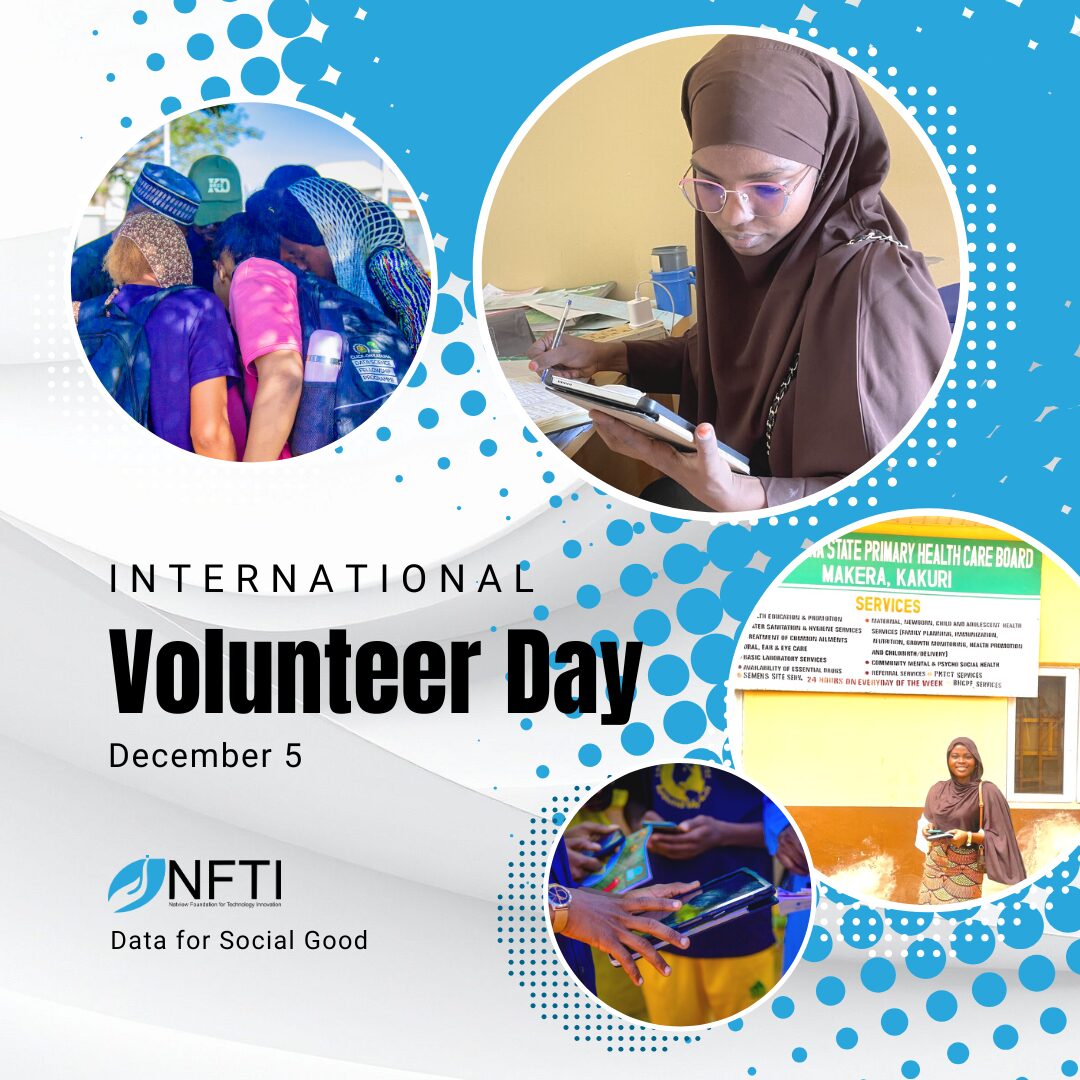
Collaboration is also at the heart of our partnership with the Gates Foundation and the Kaduna Bureau of Statistics on the Data Science Fellowship Program (DSFP). The fellowship trains and embeds young professionals within ministries and development organizations, creating a new generation of experts who serve as translators between data and policy. This year alone, the program received more than 5,430 applications, a testament to its growing reputation for quality and impact. In response, the cohort was expanded to 45 fellows, building on the strong track record of alumni who are already excelling in their fields.
The fellowship is designed to go beyond theory, equipping participants with specialized skills in areas such as Geographic Information Systems (GIS), data engineering, and machine learning. Through our partnership with DataCamp, fellows also gain access to world-class training resources, ensuring they are able to compete and contribute on a global scale. By embedding these skilled professionals directly into institutions, harmonized data is no longer left idle—it is analyzed, interpreted, and translated into actionable insights that drive smarter decision-making.
This commitment to capacity building is also a step toward greater inclusion. Women, who have historically been underrepresented in digital health, are finding pathways into the field through the program. By empowering youth with cutting-edge skills and opportunities, the DSFP secures the sustainability of harmonized systems while broadening participation in shaping public health outcomes.
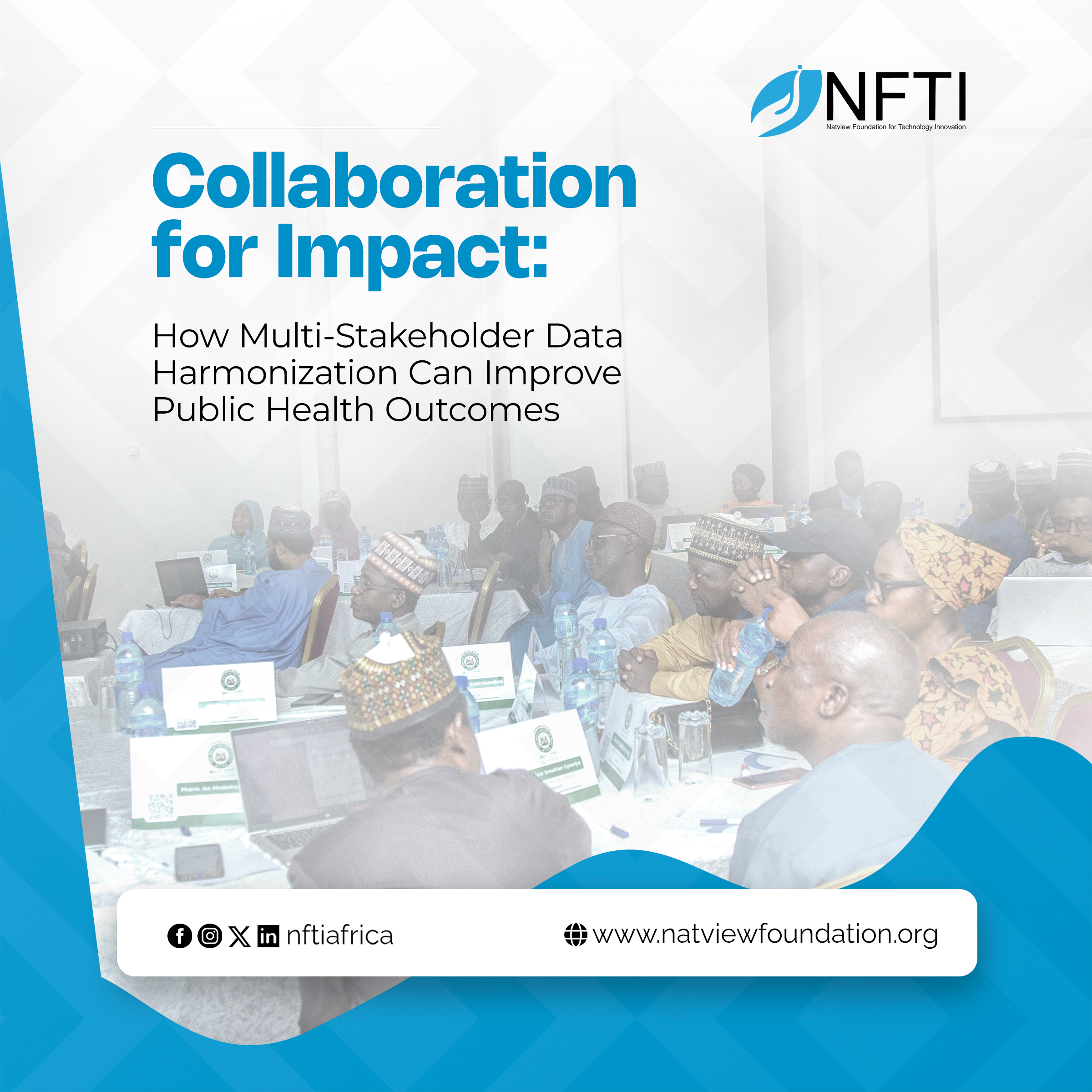
These initiatives converged in a profound way at the Kaduna State Health Sector Retreat held in July 2025. For three days, commissioners, lawmakers, directors, development partners, and civil society voices engaged in candid dialogue, guided by the principle of “One Perspective, One Plan, One Budget, One Report, and One Conversation.” What was remarkable about the retreat was not only the diversity of stakeholders but the shared reliance on harmonized evidence. The discussions around financing, accountability, and service delivery were grounded in data that reflected collective ownership, much of which stemmed from the collaborative systems we have built. As we noted in our reflections on the retreat, the event was not just a meeting, it was a testament to the power of shared evidence in aligning diverse actors toward a common vision.
What these experiences reveal is that harmonization is not about erasing differences, but about creating a common language for action. The government brings legitimacy and scale, development partners bring expertise and resources, civil society brings community voice, and institutions like NFTI bring coordination and a relentless focus on evidence. Together, they form a coalition that is stronger than the sum of its parts.
Challenges remain, of course. Harmonizing data requires investment in infrastructure, trust among stakeholders, and the patience to align priorities. Yet what we have seen is that the effort pays off. Citizens benefit from more reliable services, health workers operate in systems that recognize their contributions, and policymakers make decisions that are both efficient and equitable. Most importantly, communities gain confidence that their health system is present, responsive, and accountable.
The lesson is simple but profound: collaboration is not an optional extra, it is the only way forward. In an era where health challenges are increasingly complex and interconnected, harmonized data provides the foundation for collective action. At NFTI, we remain committed to this path, building bridges across sectors and generations, and empowering young people to sustain these gains.