A reflection on why evidence, inclusion, and integrity in data must anchor Nigeria’s journey toward sustainable growth.
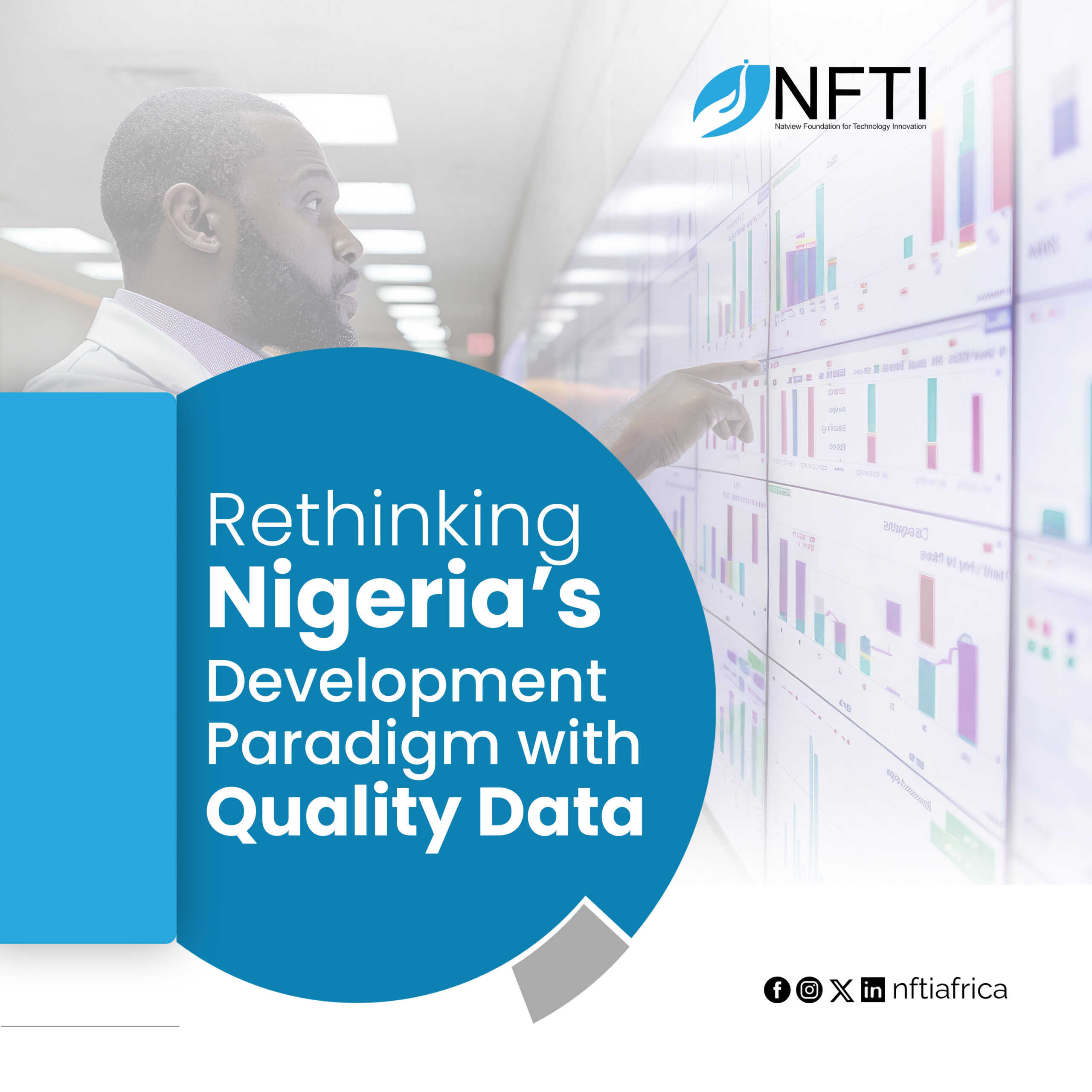
In every nation that has transformed, progress began with one simple question: What do we really know? For Nigeria, the answer lies in the quality of our data, the accuracy of what we measure, the inclusivity of who we see, and the integrity of how we use it. As the world marks World Statistics Day 2025, it’s time to rethink development as evidence in action.
Statistics has silently shaped the course of nations. It is the language through which humanity has learned to understand itself, the way we measure change, test truth, and decide who receives what, when, and how. This World Statistics Day 2025, my mind turns to what it really means for a country still defining its developmental future. We often celebrate the availability of more data, but the truth is that more does not always mean better. Bad data can lead to poor decisions, and Nigeria has experienced many such instances. When the statistics are inaccurate, outdated, or incomplete, they distort the realities of people’s lives and weaken the very systems meant to support them.
Quality data, on the other hand, builds trust. It allows decision-makers to plan effectively, helps citizens hold institutions accountable, and gives investors confidence in our markets. It ensures that the child born in Kafanchan has the same visibility in national planning as the entrepreneur in Lagos or the farmer in Kano.
The celebration of World Statistics Day 2025 reminds us that inclusivity is part of quality. It is not enough for data to be technically sound, it must also represent those who are often unseen, the displaced, the informal worker, the rural woman farmer, and the student without access to broadband. To put it in simple terms, poor data creates inequity, inclusive data corrects it.
Oil, youth, and innovation are often described as Nigeria’s future, but data is the foundation that supports them all. Data reveals how much oil we refine, how many jobs our youth genuinely hold, and which communities need innovation most. Without credible data, development becomes guesswork.
In developed nations, reliable statistics have powered fiscal planning, industrialization, and healthcare reforms. Only quality data can provoke an honest national conversation about inequality in Nigeria. That is the power of statistics, rather than flatter, it clarifies.
More than anything, statistics build trust between the government and the people. When citizens see transparent numbers in published budgets and accessible reports, they begin to believe in institutions again. On the other hand, the concealment or manipulation of data leads to a decline in public trust.
One of the most inspiring shifts recently has been the rise of Nigeria’s open-data culture. From the National Bureau of Statistics (NBS) Data Portal and state-level dashboards to community-driven data projects, information is now more available than ever. Civil society groups, journalists, and technology innovators use these datasets to track public spending, monitor elections, and advocate for accountability. This growing transparency culture is reshaping how Nigerians engage with governance.
Of course, Nigeria’s journey toward data excellence is far from simple. The path is littered with challenges like weak infrastructure, underfunded systems, and a shortage of skilled professionals. Yet these hurdles are not insurmountable. They require strong will, institutional collaboration, and a shared understanding that using data for evidence-based policymaking should not be seen as some kind of side project, it must be the backbone of national progress.
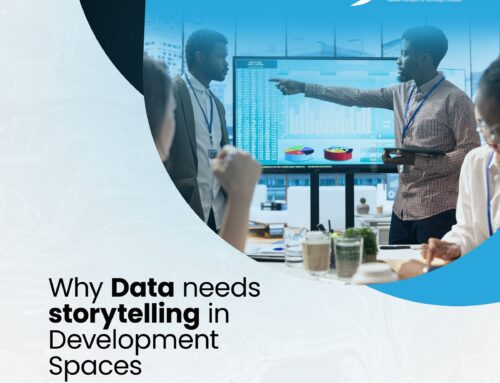
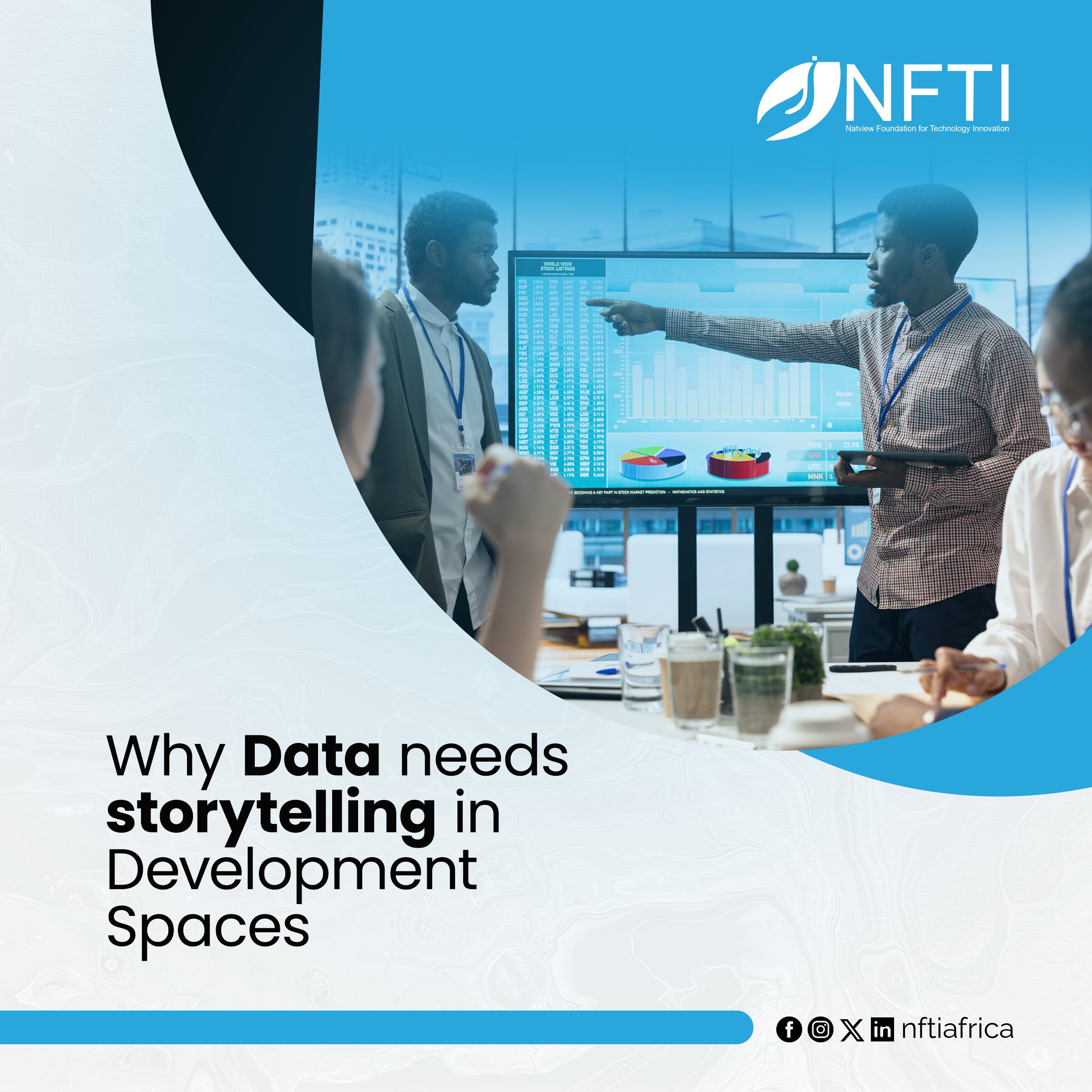
The encouraging part is that Nigeria’s youth are redefining what statistics can be. Across universities, innovation hubs, and fellowship programs, young Nigerians are learning to clean, visualize, and interpret data in creative ways. They are transforming what was once considered technical work into social impact.
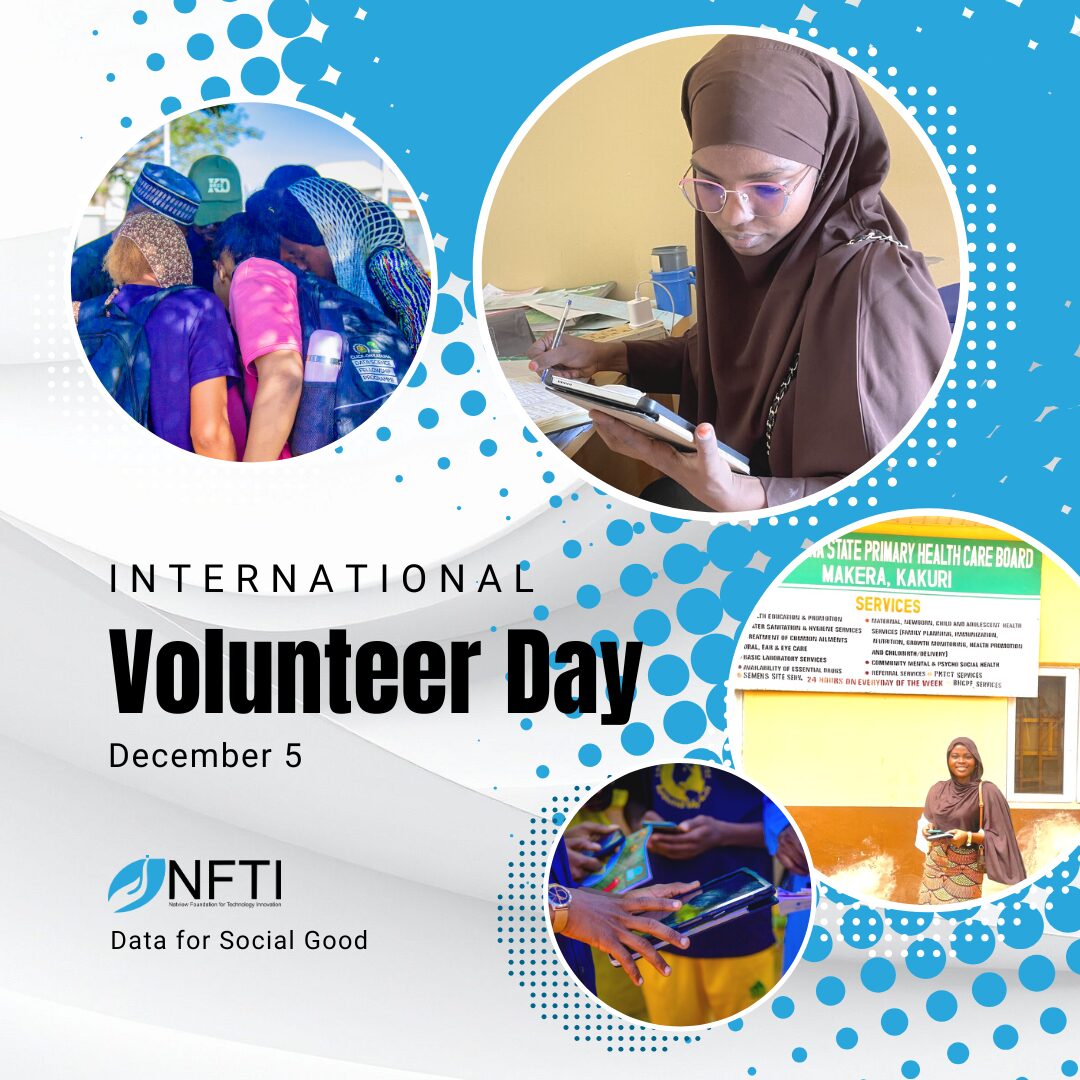
Through initiatives such as the Click-On Kaduna Data Science Fellowship Program and other digital skills programs, I have met people who can take complex datasets and turn them into stories that anyone can understand. We are closing the skills gap, and someday, a lack of data capacity will no longer be an excuse for poor planning or uninformed decisions.
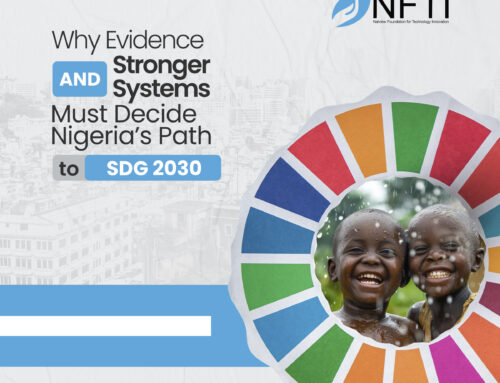
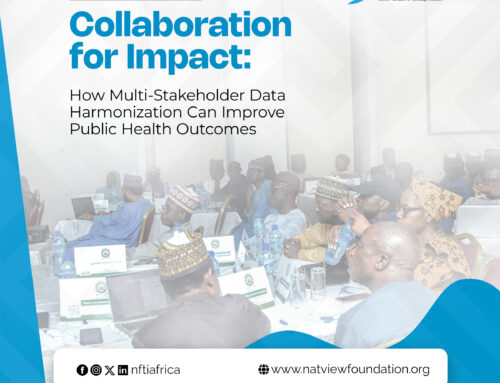
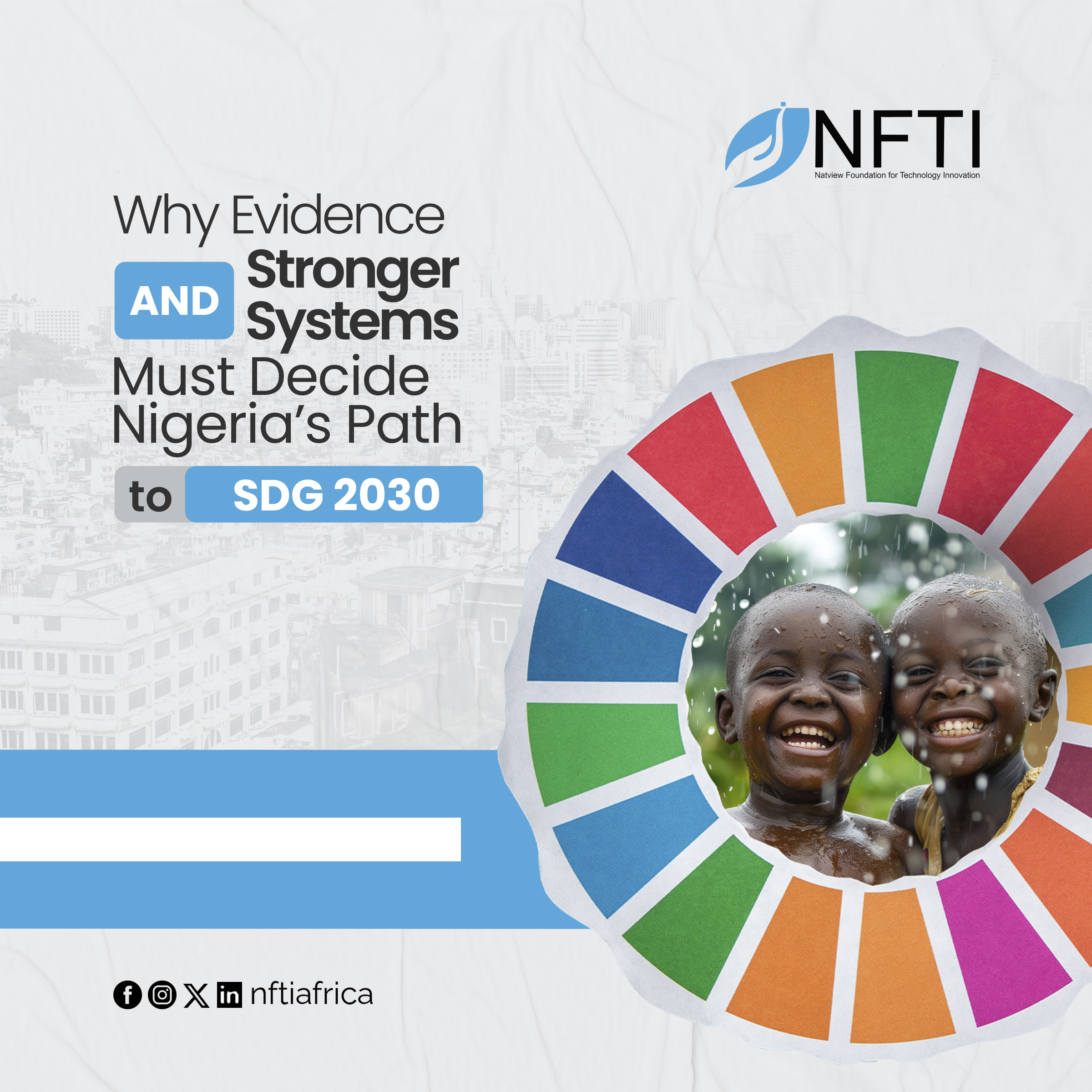
Inclusive data secures a pathway for Nigeria toward achieving the Sustainable Development Goals (SDGs). Meeting the 2030 targets will require evidence-based action and not assumptions. Why? We can only fix what we can measure. The future of Nigeria’s data ecosystem rests on cooperation between government, academia, the private sector, and civil society. The NBS has shown commendable leadership in coordinating national efforts, but states must also invest in their own statistical agencies, as exemplified by the Kaduna State Bureau of Statistics (KDBS).
The KDBS stands as a model of what a proactive, data-driven subnational statistical institution should be. Over the years, it has evolved beyond simply collecting data, it has become a trusted source of truth for evidence-based planning, performance tracking, and policy evaluation within Kaduna State. Its approach is rooted in teamwork, working with Ministries, Departments, and Agencies (MDAs) to align data systems, build capacity, and ensure that development efforts are driven by facts rather than assumptions. Through initiatives like the Health Facility Analytics Dashboard, the Annual School Census, and the General Household Survey, the Bureau has proven that when data is localized, decision-making becomes more targeted and impactful.
The celebration of World Statistics Day 2025 reminds us that inclusivity is part of quality. It is not enough for data to be technically sound; it must also represent those who are often unseen.
But sustaining such progress requires strong, trusted partners who can complement government expertise with innovation and technical depth. Organizations like the Natview Foundation for Technology Innovation (NFTI) play an important role in this ecosystem by providing digital solutions, data analytics support, and capacity-building for government teams, transforming raw data into actionable insights that improve lives. The partnership between KDBS and institutions like NFTI demonstrates what is possible when public and private actors work hand in hand to create a future where data truly serves people.
I’ve spent years working in the data space, and every time I see a young analyst’s face light up when they realize their work can actually change someone’s life, it reminds me why I do this. At its core, data is about people, about recognizing patterns that can improve their lives. It’s about using insight to fix problems that once felt invisible. Watching that realization dawn on someone new to the field always gives me hope. It tells me that the future of data in Nigeria is deeply human.
And so, on this World Statistics Day 2025, my message is simple; if we are serious about building a fairer, stronger Nigeria, then we must treat data as national infrastructure as essential as roads, power, and education, as without reliable statistics, our development will always rest on shaky ground.
This piece represents the personal views of Olubunmi Olorunpomi, Communications Lead at the Natview Foundation for Technology Innovation (NFTI). It is published as part of NFTI’s World Statistics Day 2025 reflections to encourage dialogue on data, governance, and inclusive development in Nigeria.