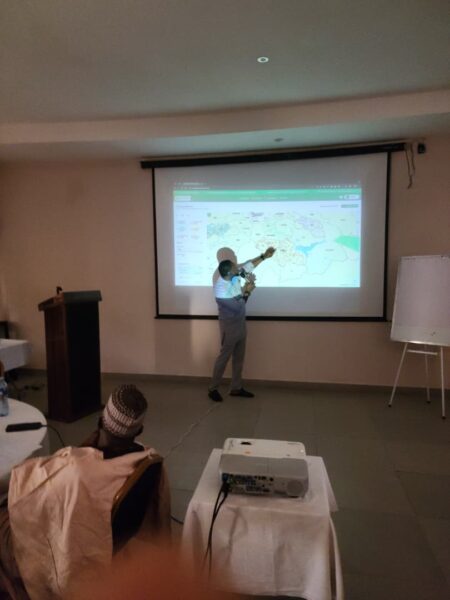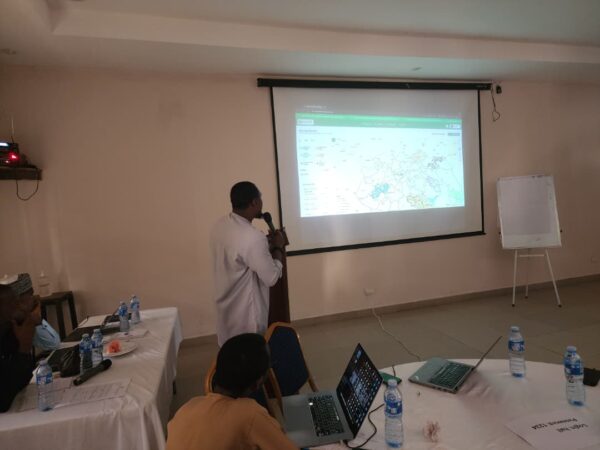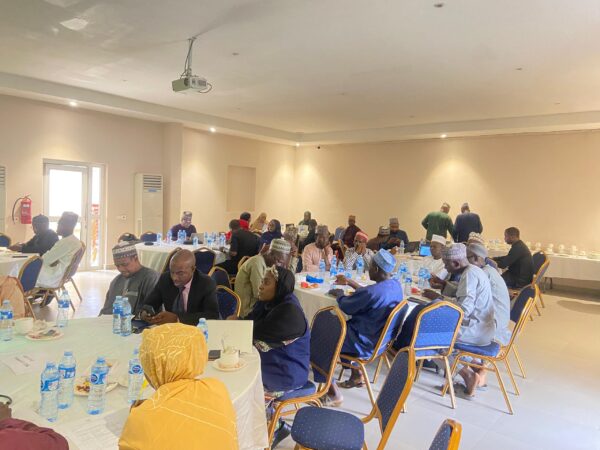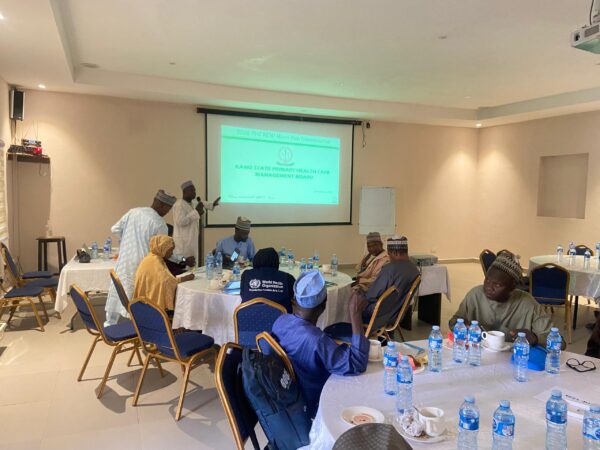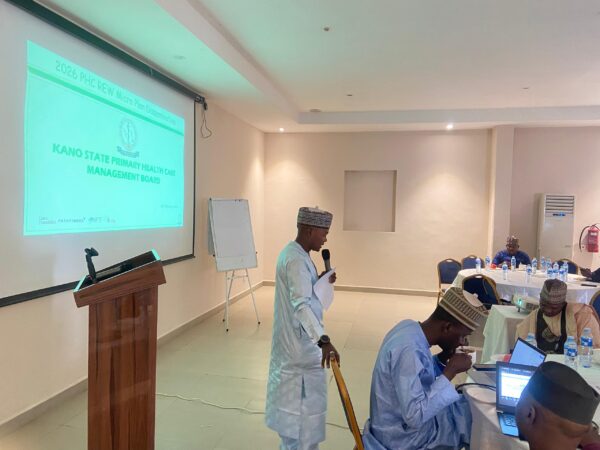
The Natview Foundation for Technology Innovation (NFTI), as a member of the Geo-ST4R Consortium, joined health sector stakeholders in Kano State for the official dissemination of the 2026 Primary Health Care (PHC) Integrated Routine Immunization REW Microplan, an important step toward strengthening service delivery through coordinated data systems.
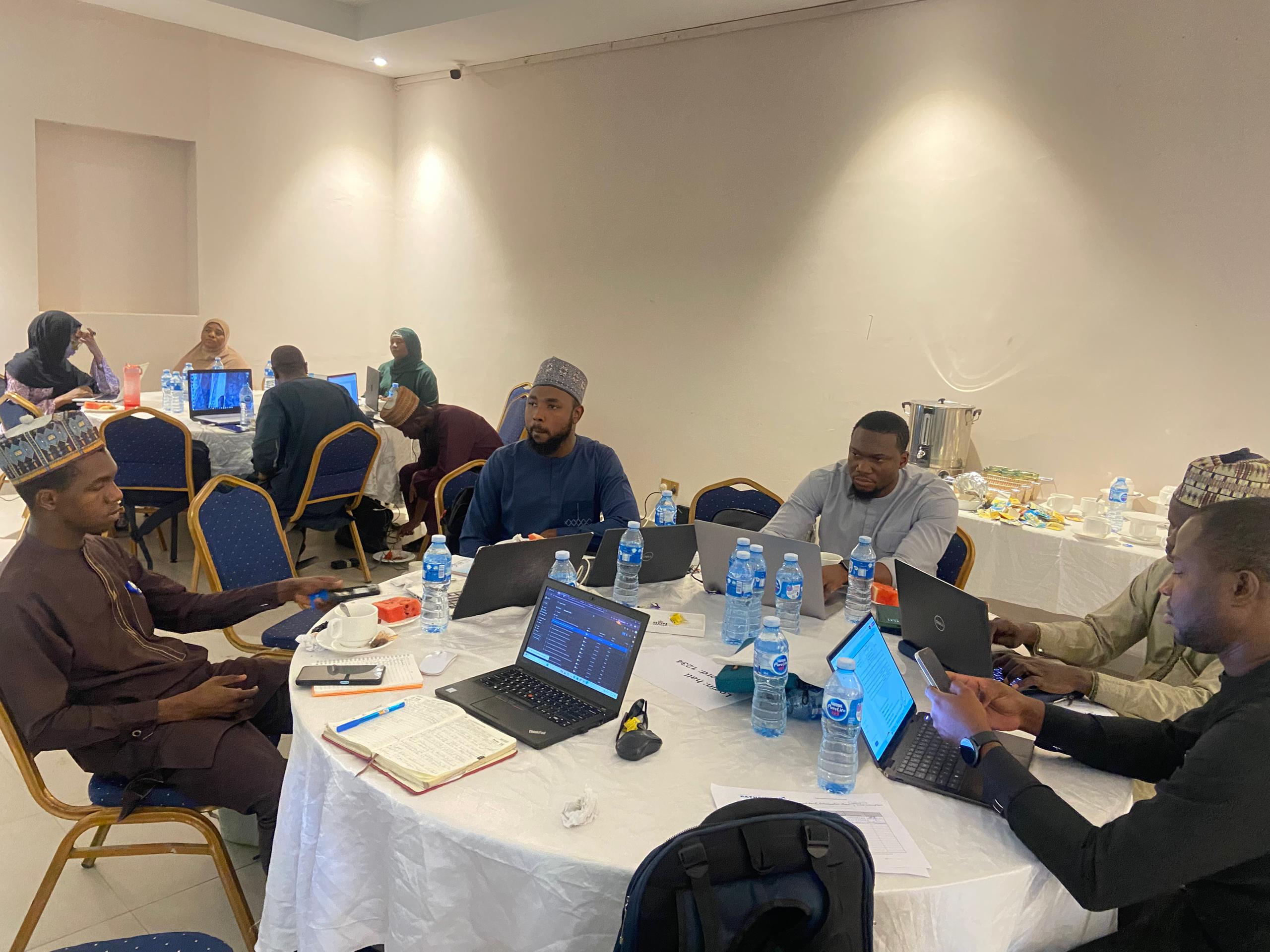
The one-day dissemination meeting, convened by the Kano State Primary Health Care Management Board at Bon Hotel Kano, brought together programme managers, monitoring and evaluation officers, immunization teams, and partners to formally present the developed microplan and agree on the next steps for statewide implementation.
Unlike routine technical workshops, a dissemination meeting marks the point where planning moves into action. The session was designed to share the finalized operational framework with implementing teams, ensure a shared understanding across programmes, and secure institutional adoption across the state’s health system.
The PHC microplan maps settlements, estimates target populations, schedules outreach sessions, and aligns routine immunization activities with other primary health services. When accurate, it ensures vaccines and services reach children and caregivers in both urban and hard-to-reach communities.
Throughout the meeting, technical teams presented the structure of the 2026 PHC REW Microplan and highlighted how integrated data collection, harmonized reporting, and coordinated supervision would improve implementation. Stakeholders also reviewed how programme units will now share reporting timelines and operational calendars, reducing duplication and improving field efficiency.
As part of the Geo-ST4R Consortium, NFTI contributed to the discussions around data harmonization and system integration. Drawing from its experience supporting government institutions with operational data systems and capacity building, the foundation stressed that strong health outcomes begin with reliable information at the facility level.
The consortium’s presentation focused on strengthening the linkage between data collection and decision-making. Health workers often collect large volumes of information, but without feedback loops, the data rarely informs planning. Participants also discussed the importance of identifying zero-dose children and underserved settlements. Rather than distributing services evenly, the new microplan encourages targeted outreach based on verified community data, allowing health teams to prioritize locations where children have not received routine vaccines.
The meeting concluded with a formal call for adoption of the PHC REW Microplan by the Director General of the Kano State Primary Health Care Management Board. Stakeholders collectively agreed on implementation steps and committed to updating facility-level plans using harmonized templates and shared indicators.
For NFTI, the engagement reflects its broader mission to support public institutions in using data as a management tool rather than a reporting obligation. When frontline workers understand how their records influence vaccine allocation, supervision schedules, and community outreach, reporting accuracy improves, and service delivery becomes more responsive.
With the adoption of the 2026 PHC microplan, implementation now shifts to the local government and facility levels, where the real impact will be felt. Accurate settlement mapping, synchronized reporting, and targeted outreach are expected to improve routine immunization coverage and strengthen broader PHC services across the state.