
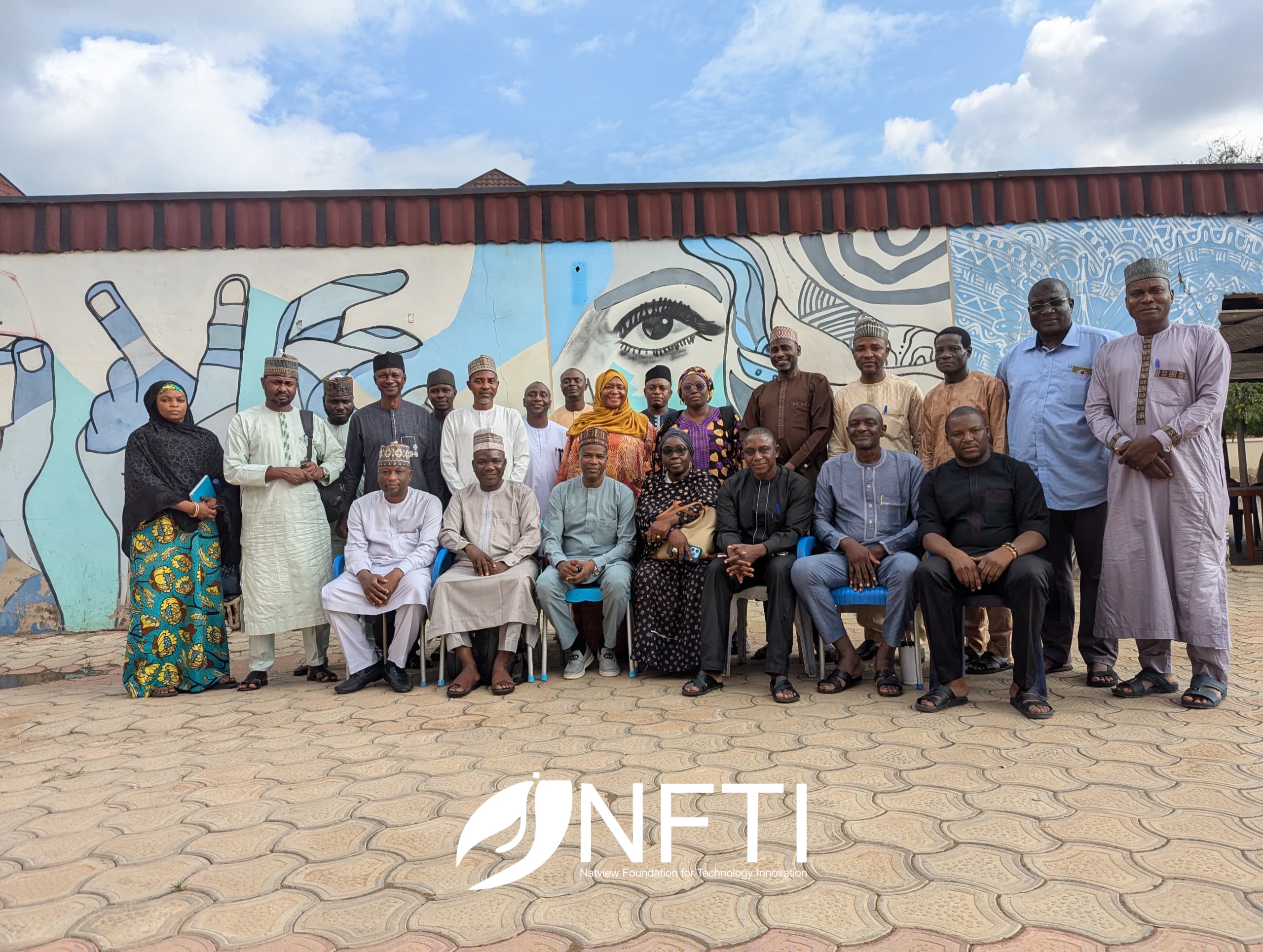
The Kaduna State Bureau of Statistics (KDBS) hosted a multi-stakeholder technical workshop aimed at refining the indicators and tools for the upcoming 2025 Kaduna General Household and Child Poverty Survey (KDGHCPS). The session brought together key actors from across government Ministries, Departments, and Agencies—including the Ministry of Health, Ministry of Education, and Planning and Budget Commission—alongside development partners such as NFTI, PLAN International, Lafiya, and Save the Children.
The workshop was designed to review and validate proposed indicators, harmonize data needs across sectors, and improve the structure and relevance of the household and child questionnaires. It served as a space for collaborative technical engagement where participants assessed the thematic domains, clarified indicator definitions, and ensured alignment with sectoral policies and data priorities.
Through breakout sessions and group discussions, stakeholders worked collectively to highlight gaps, recommend improvements, and suggest the standardization and expansion of existing tools. This process was not only about validating data elements. It was about strengthening technical ownership, building consensus, and reinforcing Kaduna’s commitment to data-driven governance.
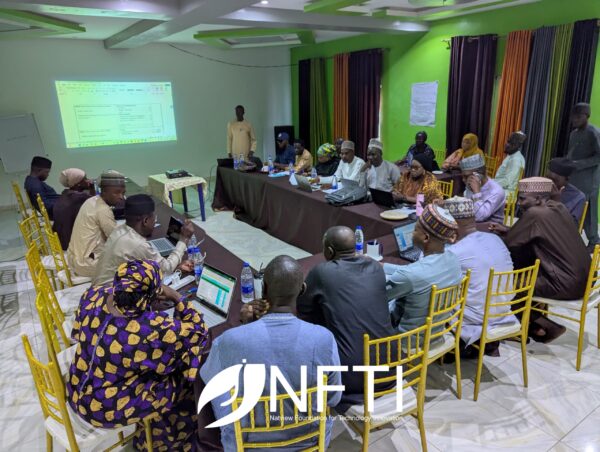
The state also shared existing Annual Operational Plan (AOP) templates, budgeting, and monitoring frameworks currently in use at the national and state levels, offering practical models for integrating validated indicators into planning and implementation.
Ultimately, the event marked a crucial step toward delivering a more refined, inclusive, and contextually relevant survey instrument, positioning the 2025 KDGHCPS as a powerful tool for informing policies that improve the lives of households and children across Kaduna State.
