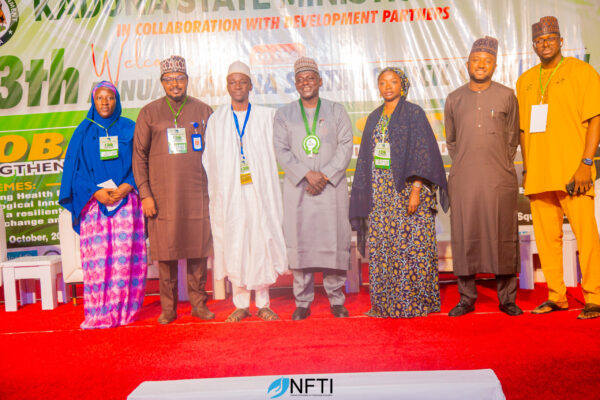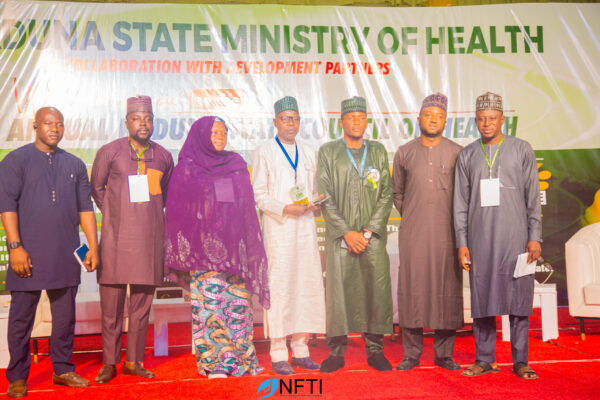
The 13th Kaduna State Council on Health concluded on Friday, October 10, 2025, after three days of intense discussions, policy launches, and technical sessions centered on one central idea: building a resilient health system that can withstand global health threats.
Held under the theme “Global Health Security: Strengthening Health Systems for Resilience in Kaduna State,” the council gathered the most influential voices in the state’s health sector. In attendance were the Deputy Governor, Her Excellency Dr. Hadiza Sabuwa Balarabe; the Honourable Commissioner for Health; the Permanent Secretary, senior officials from the Ministry of Health, and representatives of major development partners.
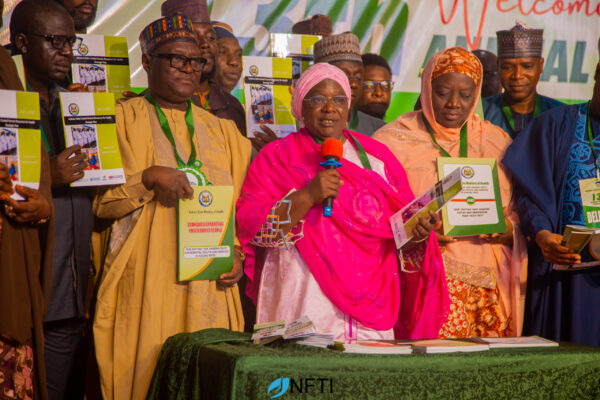
The council, regarded as the state’s highest decision-making platform for health policy, also featured the official launch of new policy documents and strategic plans designed to guide Kaduna’s next phase of health system reforms. Throughout the three days, participants shared ideas, exchanged data, and explored innovative pathways to make healthcare delivery in the state more sustainable and people-centered.
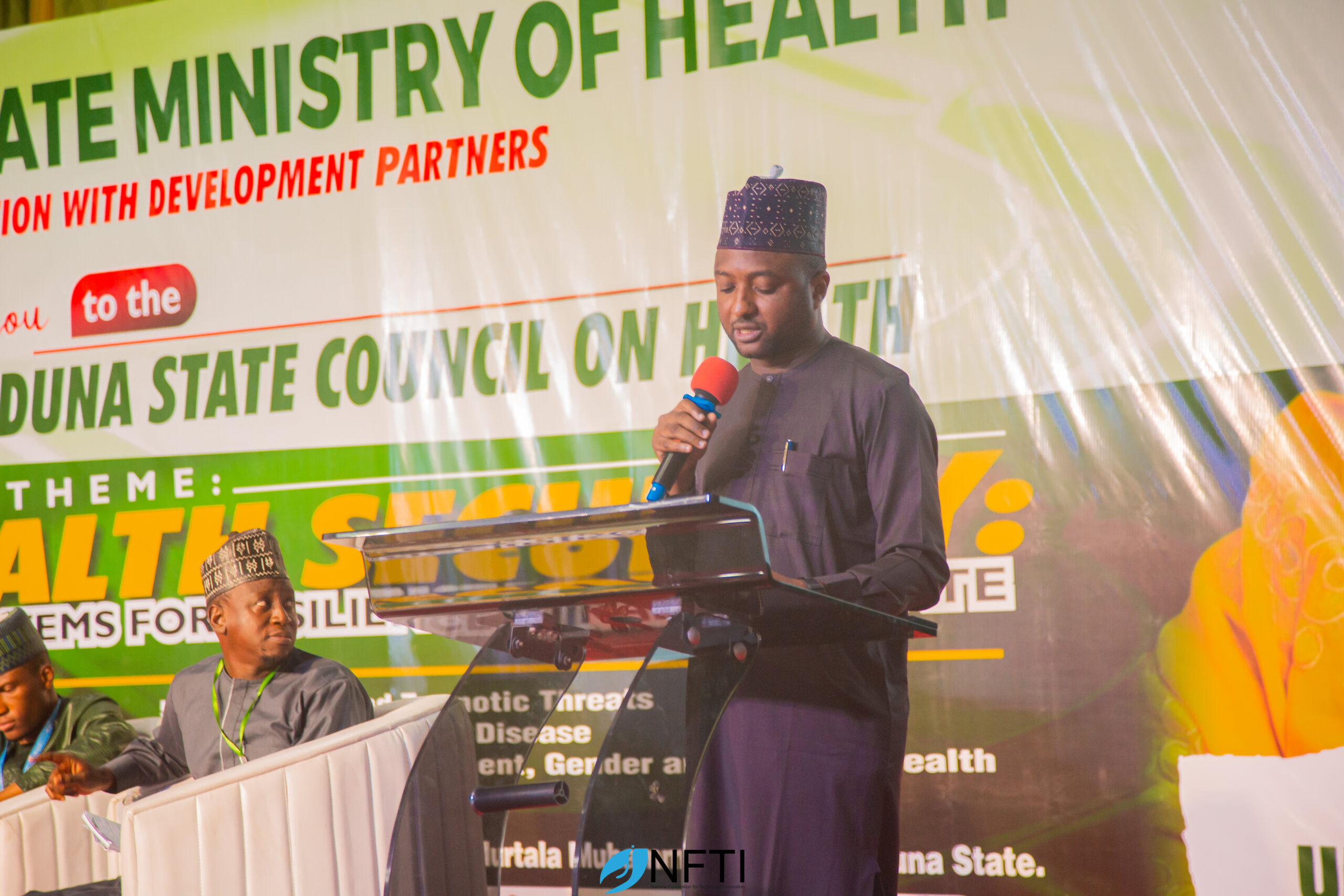
The Natview Foundation for Technology Innovation (NFTI) was a key participant at the event. The foundation’s Executive Director, Mr. Nuradeen Maidoki, joined a high-level panel on “Building a Resilient Health Workforce,” where he shared practical lessons from NFTI’s work in digitizing health workforce management across the state.
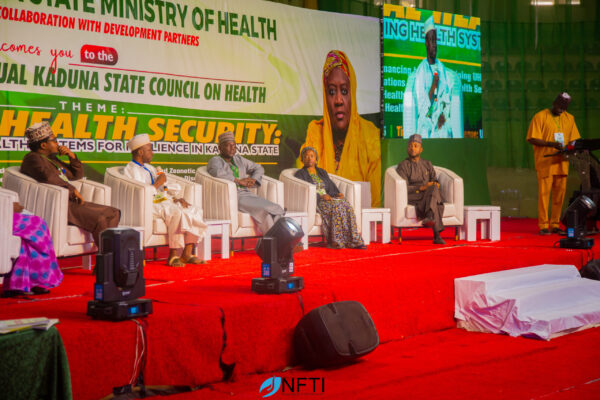
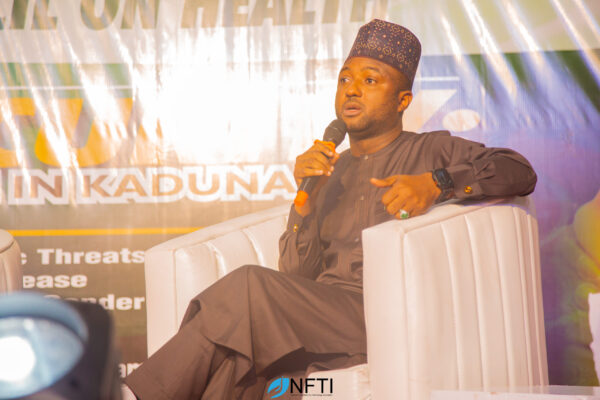
Speaking at the session, Mr. Maidoki explained how digital tools such as the Human Resource for Health Management Information System (HRHMIS) and the biometric attendance system are helping Kaduna State strengthen accountability and workforce planning at primary health centers. These systems, now operational across the 23 local government areas, have improved attendance tracking, reduced absenteeism, and enabled decision-makers to deploy health workers where they are needed most.
He added that the biometric initiative, in particular, is already helping to rebuild community confidence in public healthcare, noting that consistent staffing has made a visible difference in patient care at primary health facilities.
Beyond the panel, Mr. Maidoki also presented a paper titled “Technological Innovations in Promoting Health Security.” His presentation focused on how the state can drive a One Health Platform, a digital infrastructure that seeks to unify all major health dashboards across Kaduna State. The goal, he explained, is to make it easier for various agencies to access and share data in real-time.
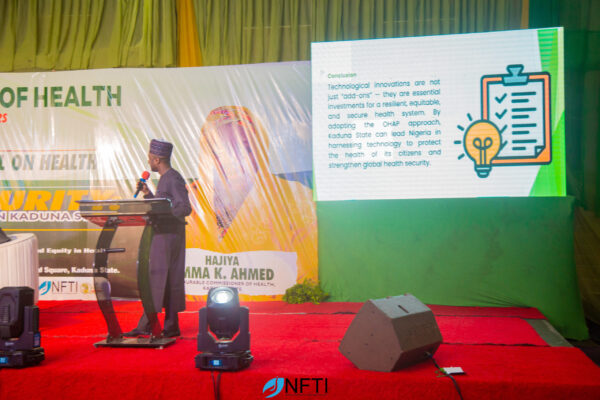
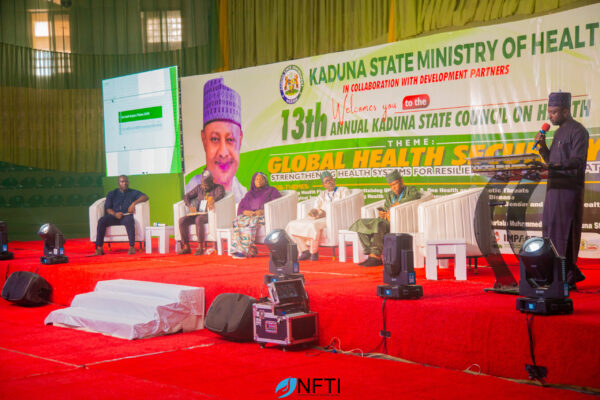
According to him, the One Health concept is not just about software integration but about breaking institutional silos and enabling faster, coordinated responses to public health issues.
NFTI’s participation in this year’s council underscored its growing influence as a trusted partner in Kaduna’s digital health transformation. Through projects like the HRHMIS, the biometric rollout, and the Health Facility Analytics platform, the foundation continues to support the state’s broader vision of using data to drive governance and accountability in the health sector.
As the council drew to a close, participants left with renewed confidence that the ideas shared would translate into real action. For NFTI, the gathering was a reminder of why its work matters — using technology not as an end in itself, but as a bridge to better health outcomes and stronger public institutions across Kaduna State.