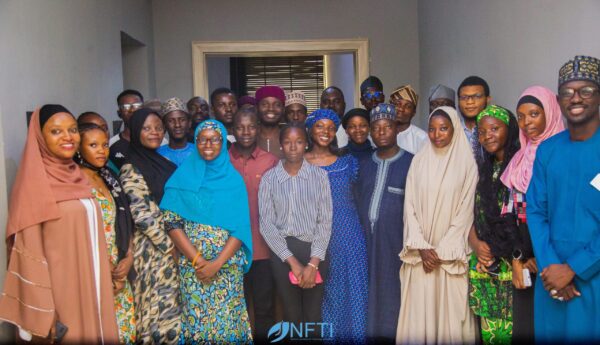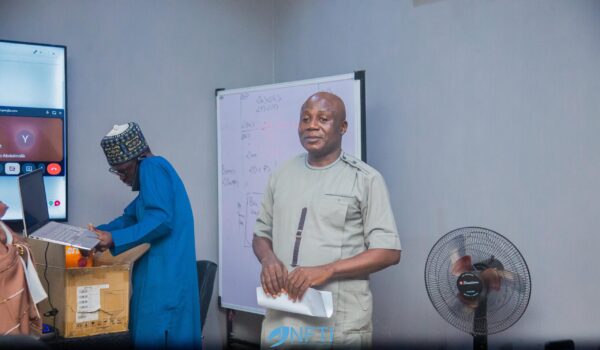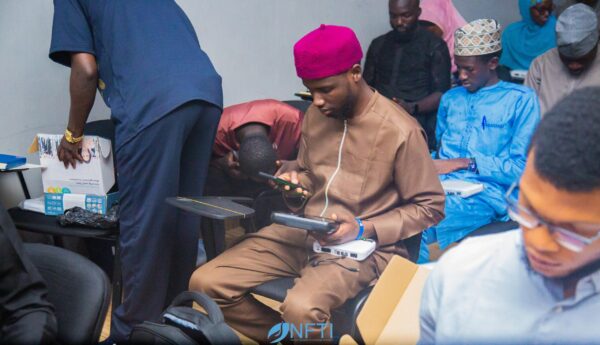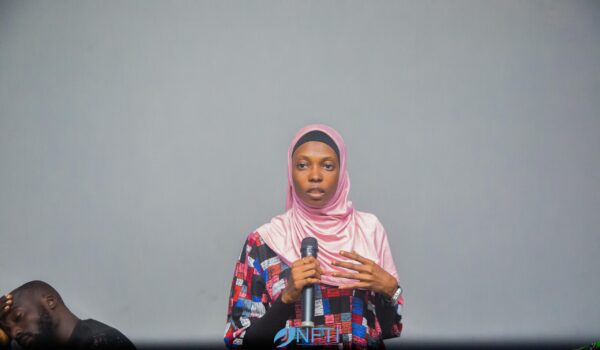
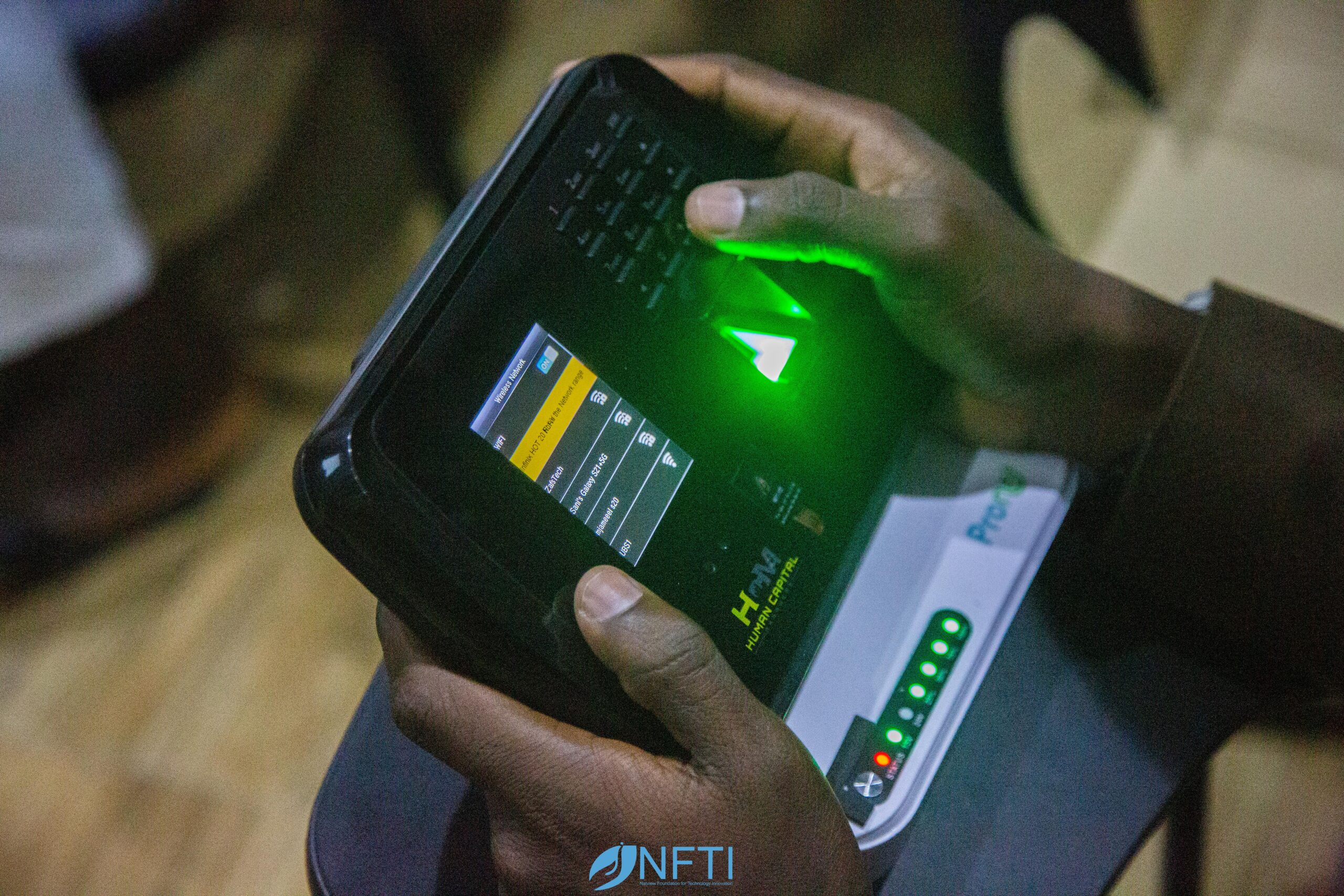
On Thursday, August 7, 2025, the Kaduna State Primary Healthcare Board (SPHCB) and the Natview Foundation for Technology Innovation (NFTI) successfully hosted the HRHMIS Biometrics Project Learning Session at Almara Hub, Kaduna. The event featured state officials, NFTI’s project team, and Local Technical Assistants (LTAs) from the 23 pilot Primary Health Centres (PHCs) to take stock of the biometric attendance tracking rollout, share field experiences, and agree on refinements for smoother implementation.
The occasion began with opening remarks from Dr. Shamaki, Deputy Director of Human Resources at SPHCB, who emphasized the value of the biometric program in improving accountability and workforce management in Kaduna’s healthcare system. He appreciated NFTI’s efforts to strengthen the healthcare system. He also acknowledged the challenges faced by the LTAs in the field and assured them of prompt resolution.
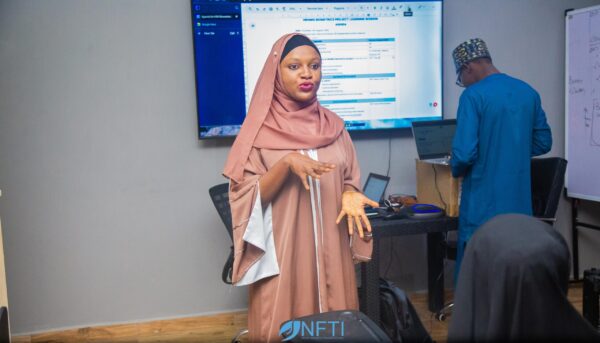
Maryam Onubaye, the portfolio lead for the Human Resource Health Management Information System (HRHMIS), delivered a comprehensive update on the project journey, highlighting milestones in device procurement, staff enrollment, and attendance tracking across the pilot facilities.
The Board’s Director of Admin and HR, Dr. Maxwell Sanda Otene, also commended the incredible work of the Local Technical Assistants from the 23 LGAs.
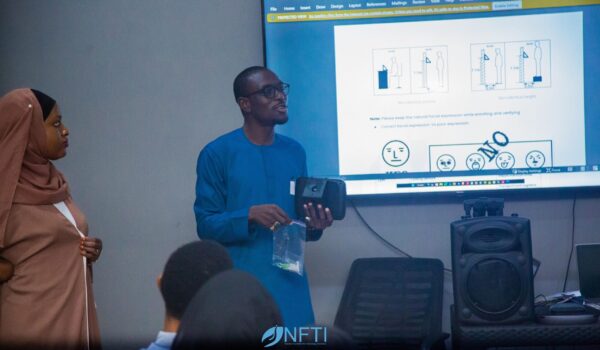
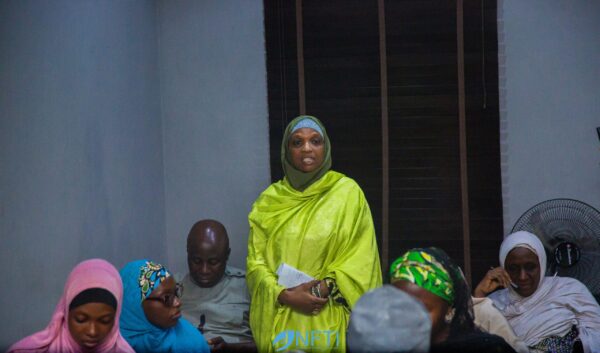
A key segment of the session focused on lessons learned in the field. NFTI’s team and the LTAs shared practical insights on operating the devices, ensuring smooth staff enrollment, and addressing challenges in attendance tracking. These real-world experiences informed an engaging discussion with the SPHCB team, whose advice and feedback will shape operational improvements going forward.
The afternoon was dedicated to mapping the way ahead. Participants discussed measures to enhance device operations, standardize documentation for staff leave and transfers, streamline the enrollment process for new staff, maintain a consistent power supply to devices, and ensure secure permanent installations. The session also tackled the handover framework, outlining the process for transitioning operational responsibilities to state, LGA, and facility teams for long-term sustainability.
In her closing remarks, Hajiya Rukayya Arab, Deputy Director of Transport and Logistics, commended the collaborative spirit of all participants and reiterated the state’s commitment to embedding biometric attendance tracking into routine healthcare workforce management. The learning session ended with a renewed sense of purpose, equipping the teams with practical solutions and clear next steps to ensure the pilot program delivers measurable improvements in service delivery across Kaduna’s PHCs.
The biometric program comes as part of the Kaduna State Primary Healthcare Board’s 2+2 health agenda, which focuses on reducing maternal and infant mortality, boosting immunization coverage, and enhancing female reproductive health outcomes. Integrating biometric functionality into HRHMIS aims to provide a more accurate and reliable system for tracking staff attendance, reducing absenteeism, and generating real-time insights for workforce planning.