The underrepresentation of women in tech continues to be a prevalent phenomenon in most parts of the world.
In Africa, the girl child’s access to education is still quite low. According to UNESCO 52 million girls are out of school. Primarily in Nigeria, even under what some may describe as normal conditions, girls in Nigeria face a distinctive set of barriers to formal education at all levels. Nearly 2 out of 3 (about 6.34 million) of the country’s 10.19 million out-of-school children in the country are girls. The girls present in school do not always have the same opportunities as boys to complete and benefit from an education of their choice. Too many girls and women are held back by biases, social norms, and expectations influencing the quality of the education they receive and the subjects they study. They are particularly underrepresented in science, technology, engineering, and mathematics (STEM) education, and consequently in STEM careers. Women make up only 28% of the workforce in science, technology, engineering, and math (STEM) because men vastly outnumber women majoring in most STEM fields in college. While these might seem like just numbers, it encompasses the story of many women who perceive the tech space as one reserved just for men.
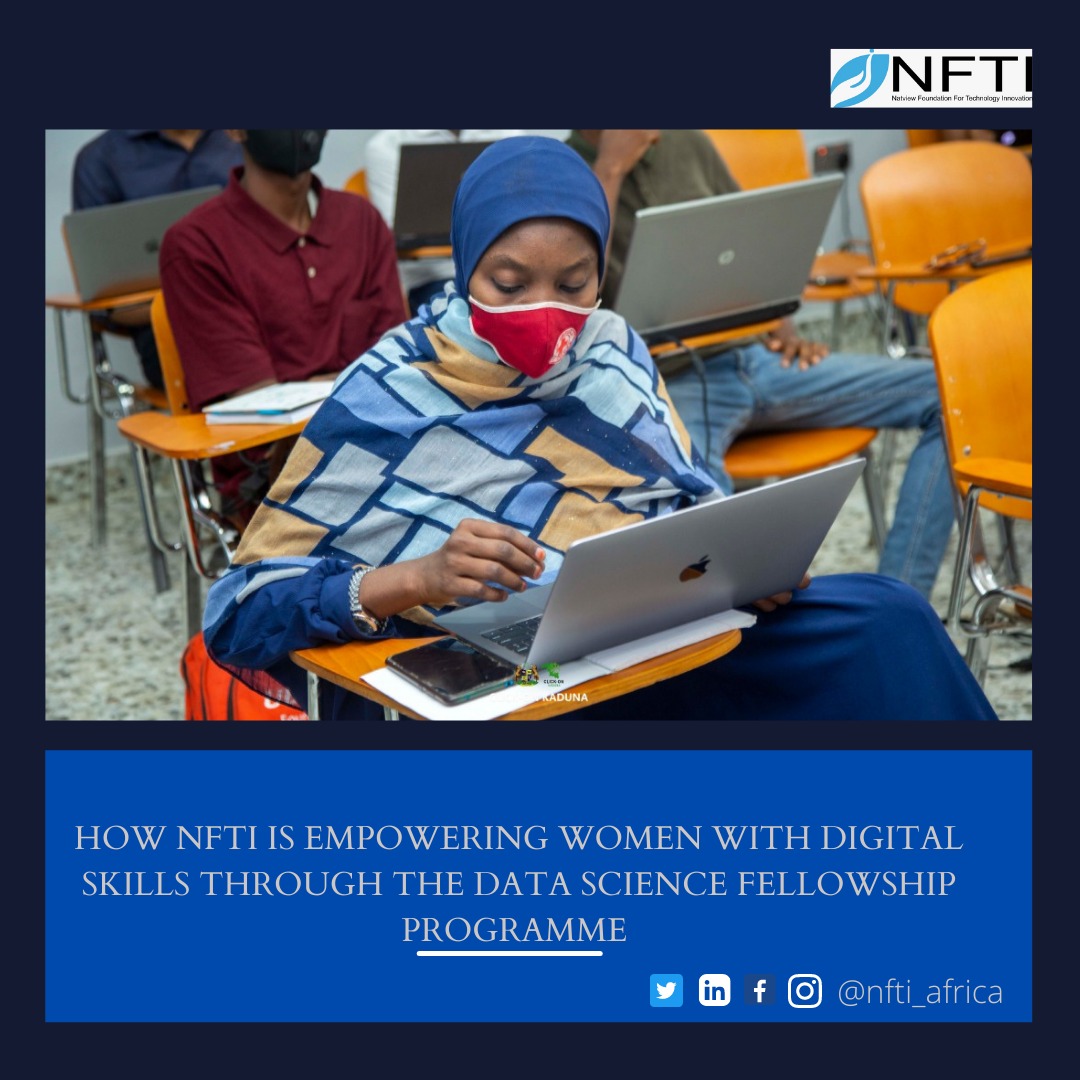
The gender disparity is alarming, especially as STEM careers are often referred to as the jobs of the future, driving innovation, social wellbeing, inclusive growth, and sustainable development. The Data Science Fellowship Programme (DSFP): a key element of the Kaduna State Government Data Lab Project which aims to support the State in operationalizing the data revolution plan that will strengthen coordination in the collection and use of data for evidence-based decision making in the state, is giving special attention to this issue as part of its efforts to promote the empowerment of women and girls in the digital tech space.

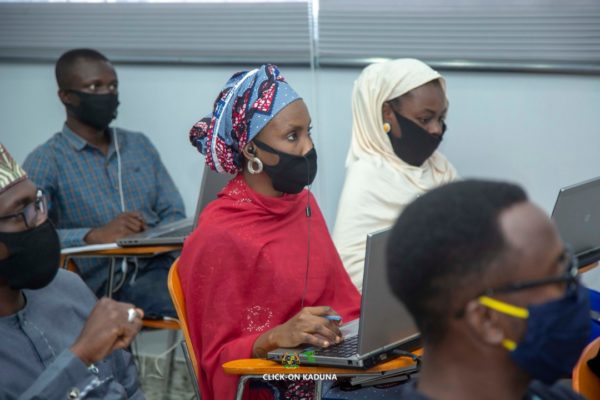
The fellowship programme ensured that 40% of the 20/21 pioneer cohort were women although the number of female applicants was considerably lower than that of the male. This was to give them a shove into the tech world, with equal opportunities to pursue and thrive in STEM while they also serve as role models to inspire more women into the tech ecosystem, shattering the barriers and stereotypes of tech being men’s only space.
– Salma Ja’eh