In 2024, a Primary Health Care facility may appear fully staffed on paper, yet patients arriving at the facility could spend hours waiting to see a health worker. A state may invest millions of naira in medical equipment while the actual challenge affecting service delivery is a shortage of skilled personnel. A disease outbreak may spread across communities before authorities recognize its scale.These situations have one thing in common: decisions are being made without sufficient data.
Health systems generate large amounts of information every day. Health workers record patient visits, facilities submit monthly reports, supervisors conduct assessments, and governments commission surveys. However, collecting data is only part of the process. The real value comes from using that information to guide decisions.
When reliable data is unavailable, outdated, incomplete, or ignored, health managers are forced to work with assumptions. Those assumptions can affect staffing, resource allocation, service delivery, and health outcomes.
One of the most common challenges in healthcare management is understanding what is happening with the workforce.A health ministry may know how many workers are employed across a state. That information is useful, but it does not answer several important questions.
How many workers are present at their assigned facilities?
Which facilities have severe staffing shortages?
Which locations are carrying the highest workload?
Where are attendance challenges affecting service delivery?
Without answers to these questions, workforce planning becomes difficult.
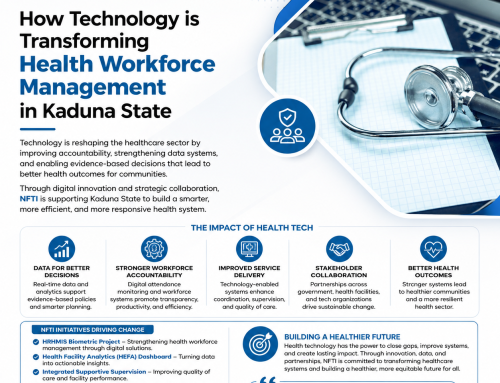
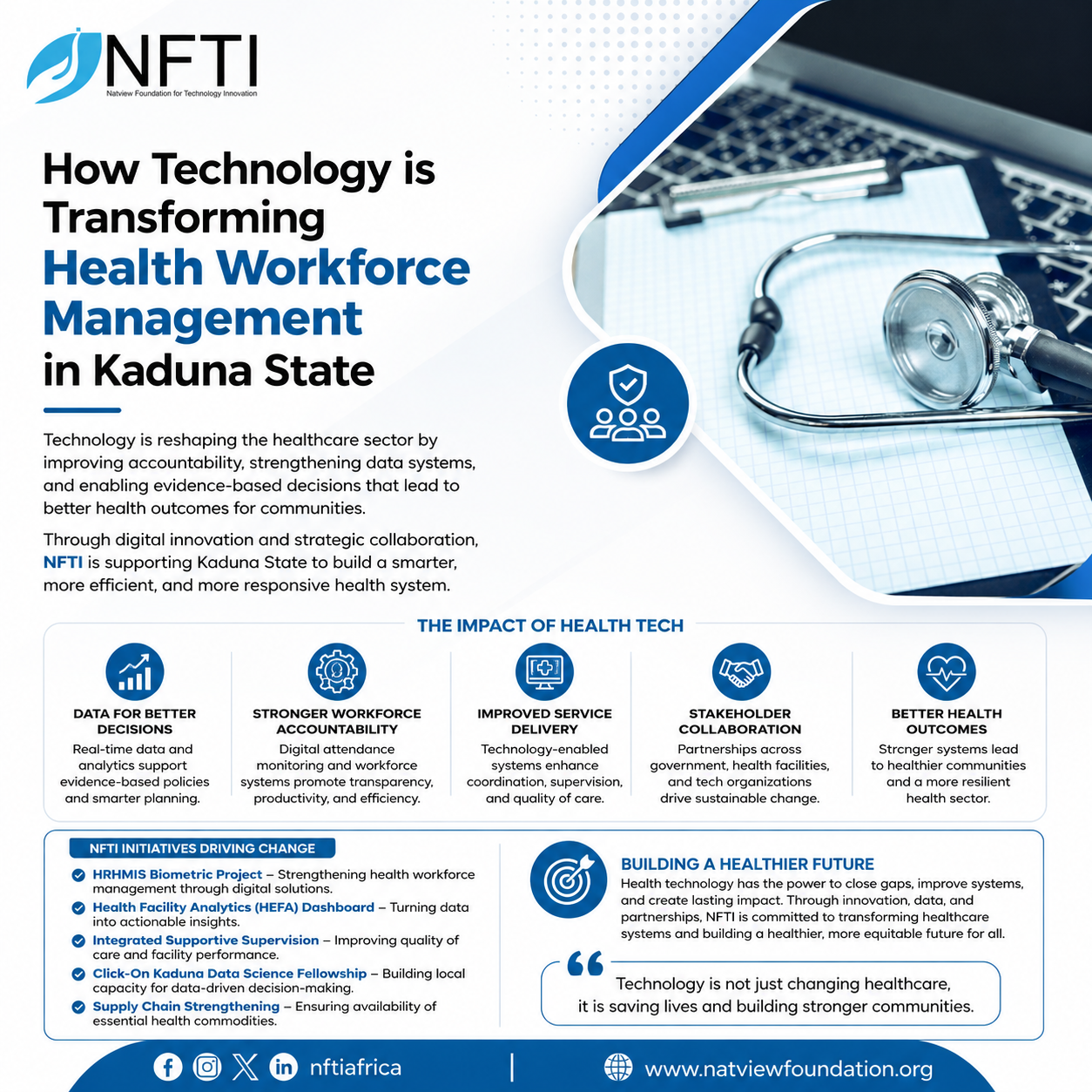
A facility with three nurses serving a large catchment population may receive the same level of attention as a facility with adequate staffing. A community experiencing workforce shortages may continue struggling simply because decision-makers do not have accurate information about what is happening on the ground.This challenge informed the implementation of the Human Resource for Health Management Information System (HRHMIS) Biometric Project in Kaduna State.
The project introduced biometric systems across selected Primary Health Care Centres to improve workforce visibility and accountability. Through biometric enrollment and attendance monitoring, health managers can access more reliable workforce information and identify gaps that may previously have gone unnoticed.The value of the system lies in the information generated by the system and how that information can support decisions about supervision, deployment, workforce planning, and performance management.Without workforce data, managers are responding to assumptions. With workforce data, they are responding to evidence.
Health decisions often rely on surveys and assessments. These tools provide important information, but they have limitations.A survey conducted in a community may reveal low immunization coverage. Another survey may show increasing maternal mortality or poor treatment outcomes.The challenge is that a single survey only captures a moment in time.It cannot always explain whether the situation is improving or worsening. It cannot reveal whether interventions introduced six months earlier are producing results. It cannot show how communities are changing over several years.
This is where the NFTI longitudinal studies become important.Longitudinal studies track the same populations and indicators over extended periods. Rather than providing a snapshot, they provide a record of change.For policymakers, this difference matters.Suppose a maternal health intervention is introduced in a community. A single assessment conducted one year later may show some improvement. However, a longitudinal study can reveal whether that improvement is sustained, whether progress differs across communities, and whether the intervention is addressing the root causes of the problem.Longitudinal data helps governments move beyond short-term observations and understand long-term trends.This type of information supports better planning because it allows decision-makers to identify what is working, what is failing, and where additional investment is required.
Poor-quality data can be just as harmful as having no data at all.A facility report may indicate that services are being delivered successfully. Yet if reporting gaps exist, decision-makers may receive an inaccurate picture of performance.A local government area may appear to have adequate healthcare coverage, while some communities remain underserved.Medicine distribution plans may be based on population estimates that no longer reflect reality.In each case, resources are still being spent. Staff are still working. Programmes are still being implemented.The problem is that decisions are not aligned with actual needs.
When health systems operate without reliable information, inefficiencies increase. Resources are wasted. Critical problems remain hidden for longer periods. Communities that need support most may receive the least attention.Many health systems have improved their ability to collect information. The next challenge is ensuring that the information influences decisions.Data should not sit in reports that are only reviewed at the end of the year.Health managers need information that helps them act.
If attendance rates are declining in a facility, supervisors should know quickly.If medicine stock levels are falling, supply chain managers should be alerted before stock-outs occur.If service utilization drops in a community, health teams should investigate the cause before the situation worsens.This is why investments in digital health systems are becoming increasingly important.
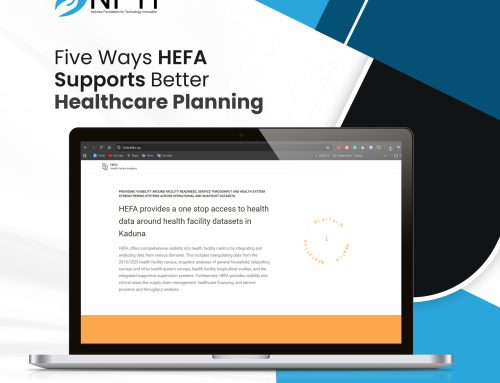
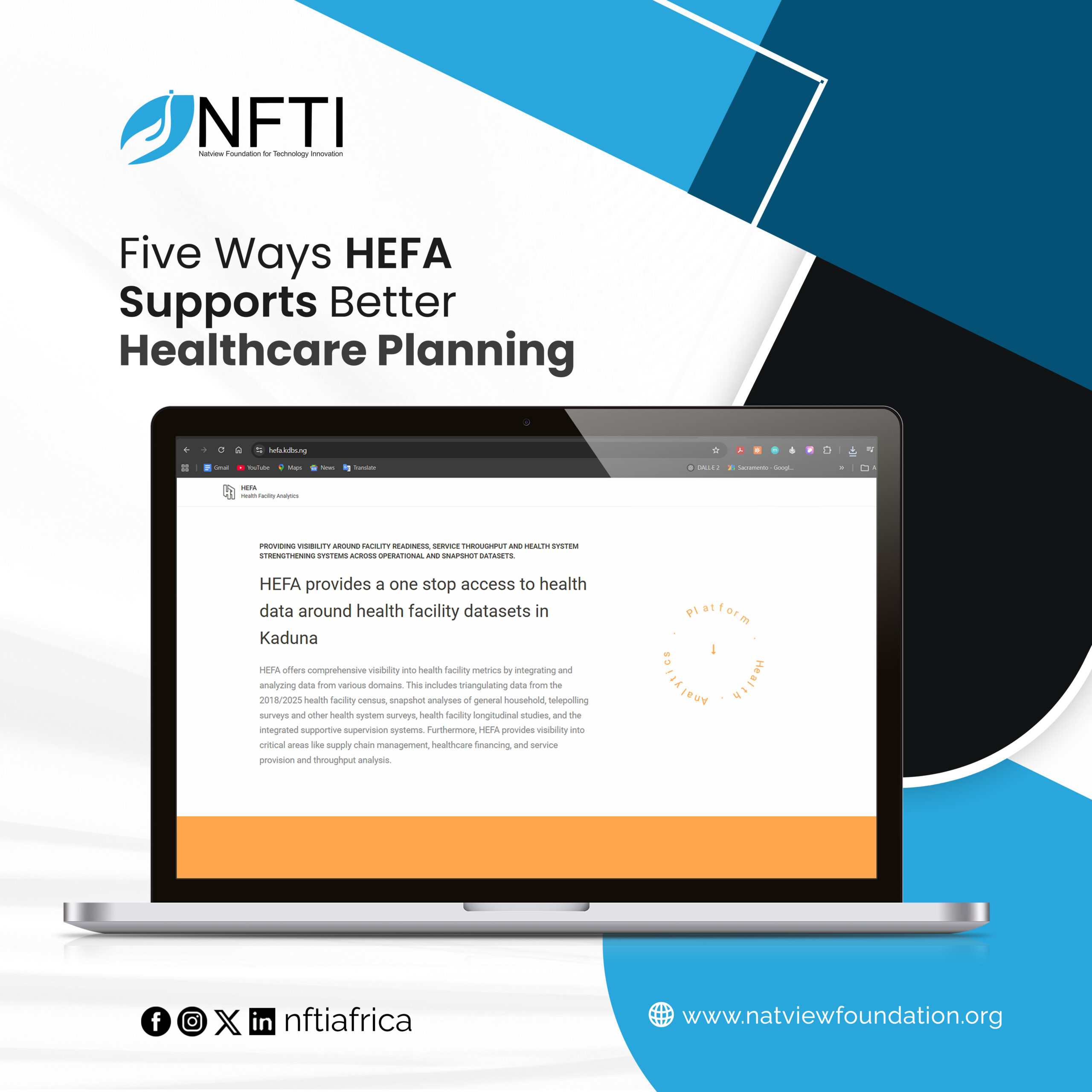
Platforms such as HRHMIS, Health Facility Analytics dashboards, supportive supervision systems, and other digital tools allow decision-makers to monitor performance more effectively and respond faster to emerging challenges.
The goal is not to collect more data. The goal is to make better decisions.Good health data is accurate, timely, accessible, and useful.It helps health managers answer practical questions.Where are the workforce gaps?Which facilities need support?Which interventions are producing results?Where should limited resources be directed?Which communities face the highest risk?These questions influence real decisions that affect real people.
When decision-makers have access to reliable information, they can prioritize interventions more effectively, allocate resources more efficiently, and measure progress more accurately.Without that information, even well-intentioned programmes may fail to achieve their objectives.Strong health systems do not rely on assumptions. They rely on evidence.This requires investments in data systems, workforce monitoring, routine assessments, analytics platforms, and long-term studies that help governments understand what is happening across their health systems.
Kaduna State’s experience with initiatives such as HRHMIS and longitudinal health studies reflects a broader shift taking place across the health sector. Governments are increasingly recognizing that data is not simply a reporting requirement. It is a management tool.Healthcare challenges will continue to evolve. Population needs will change. Resources will remain limited.The quality of decisions made in response to those challenges will depend largely on the quality of information available.The question is not whether health systems need more data.The question is whether health systems are using the data they already have to make better decisions.