
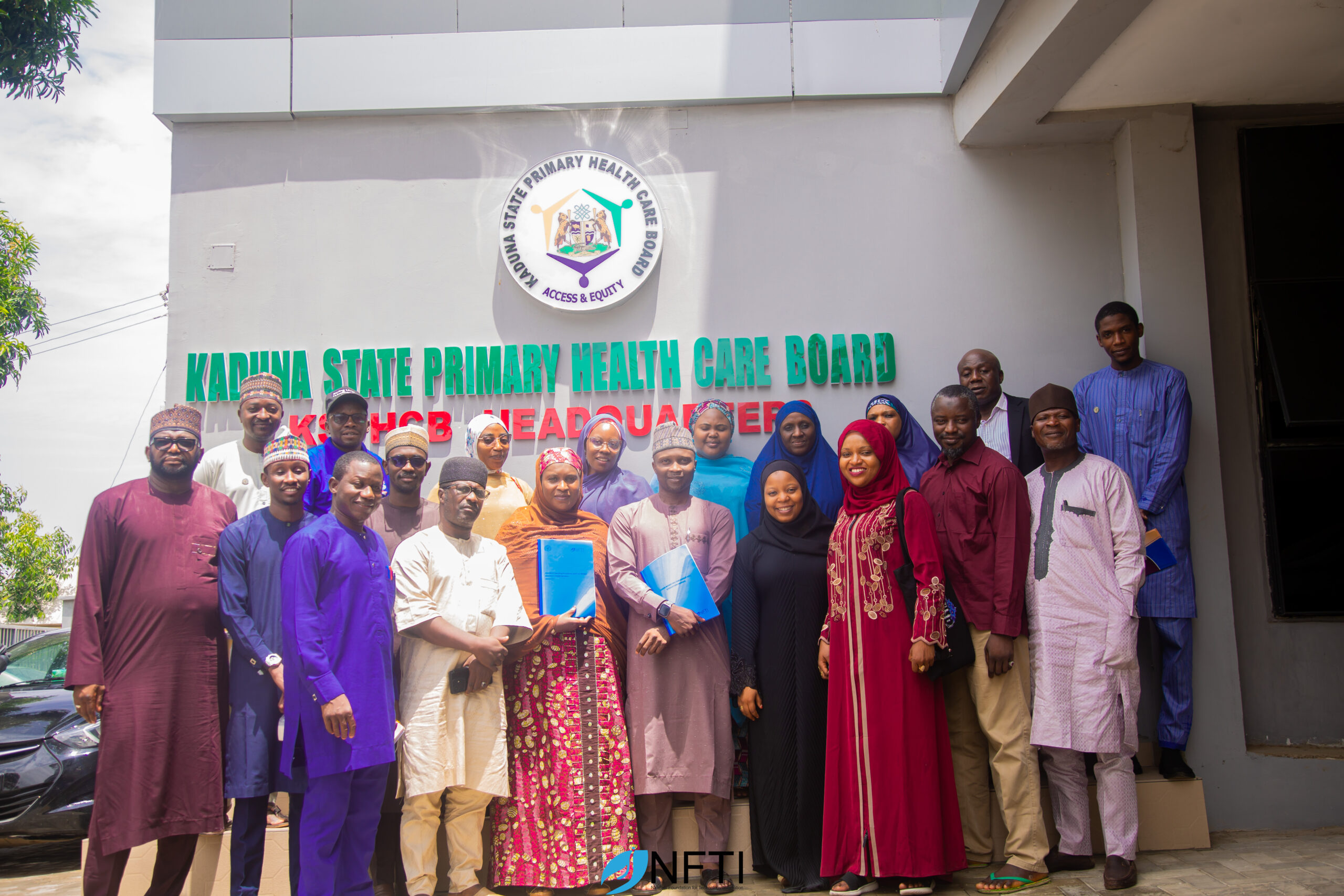
The Kaduna State Primary Health Care Board (SPHCB), with continued technical support from the Natview Foundation for Technology Innovation (NFTI), has officially taken over the Human Resource for Health Management Information System (HRHMIS) Biometric System, marking the successful transition of the initiative from pilot implementation to state ownership.
The handover meeting brought together directors, deputy directors, and senior officials from key departments within the Board, including Human Resource and Administration, Planning, Family Health, Community Health, Nutrition, and other relevant technical units, to review the implementation journey and prepare for the next phase of the programme.
The meeting commenced with an overview of the HRHMIS Biometric System, highlighting its purpose, implementation process, and the impact recorded during the pilot phase across the 23 selected Primary Health Care Centres (PHCs). Presentations reflected on how the biometric system improved workforce attendance monitoring and strengthened accountability during the period in which the Local Technical Assistants (LTAs) supported implementation.
The pilot phase demonstrated the value of integrating digital tools into health workforce management by providing more reliable attendance records and improving visibility into workforce availability across participating facilities. These insights have contributed to strengthening workforce management and supporting evidence-based decision-making within the state’s primary healthcare system.
Following the successful completion of the pilot, the Kaduna State Government is now assuming full responsibility for the management and operation of the biometric system. The transition represents an important milestone in institutionalizing digital workforce management within the state’s health sector and reinforces the commitment of the SPHCB to sustaining the gains achieved during implementation.
As part of the transition process, the LTAs will provide a one-week handholding and technical support period to designated state officials. This phase is designed to strengthen the capacity of the Board’s technical teams, ensure a smooth transfer of operational responsibilities, and build confidence in the day-to-day management of the HRHMIS Biometric System.
A key highlight of the meeting was the collaborative review and validation of the project’s Standard Operating Procedures (SOPs). Directors and technical leads provided inputs to update the operational guidelines, ensuring that the procedures reflect the realities of implementation and support long-term sustainability within the Board.
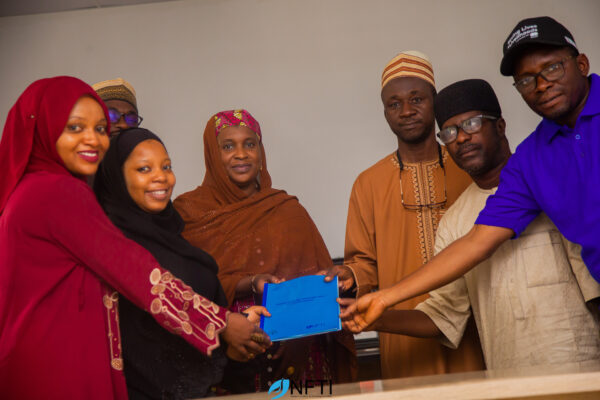
The session also featured the formal handover of the HRHMIS operational manual—a comprehensive guide outlining the processes for operating, managing, and maintaining the biometric system. The manual will serve as a key reference document for state personnel as they assume full ownership of the platform.
The transition to state ownership reflects the project’s long-term sustainability strategy, ensuring that the systems, knowledge, and technical capacity established during implementation remain within government institutions. Rather than ending with deployment, the initiative has been designed to empower the Kaduna State Primary Health Care Board to independently manage and sustain the HRHMIS Biometric System as part of its broader efforts to strengthen health workforce accountability and improve service delivery.
The successful handover reinforces NFTI’s commitment to building sustainable digital health systems that equip governments with the tools, capacity, and institutional frameworks needed to make informed decisions and improve health outcomes across communities.
