
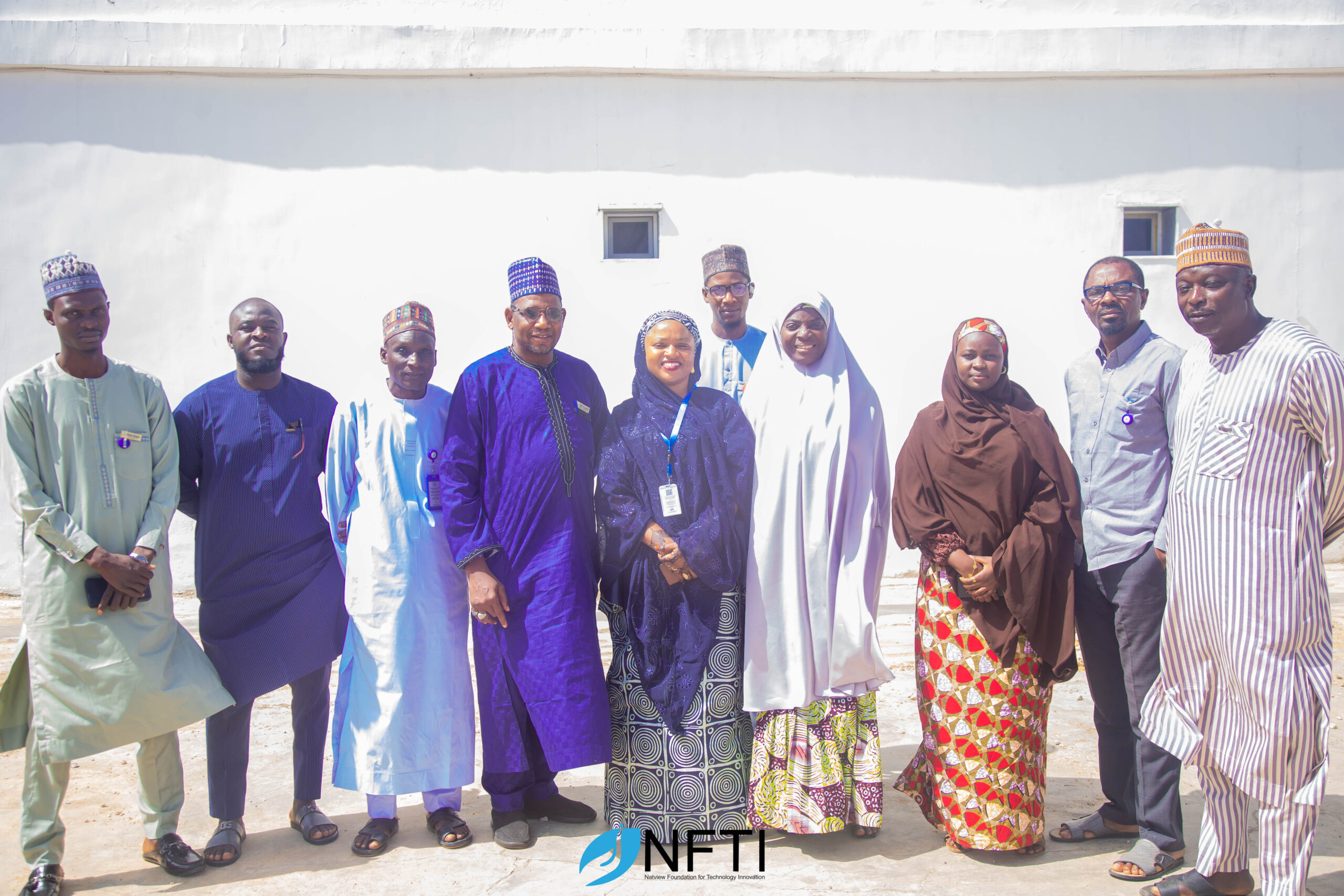
The Kaduna State Primary Health Care Board (SPHCB), with technical support from the Natview Foundation for Technology Innovation (NFTI), has extended its Human Resources for Health Management Information System (HRHMIS) decentralisation efforts to zonal officers, with a practical training for Zonal Coordinators, Zonal Monitoring and Evaluation (M&E) Officers and Zonal Administrative Officers from Zones 1 and 2.
The training, held on 25 November 2026, brought together six zonal officers and the HRHMIS Desk Officer from SPHCB for a hands-on demonstration of the platform and its various modules. The session was facilitated by Mrs. Maryam Onubaye, who guided participants through the system’s functionalities and explained the responsibilities and approval processes assigned to different officers, from the zonal level to the state headquarters.
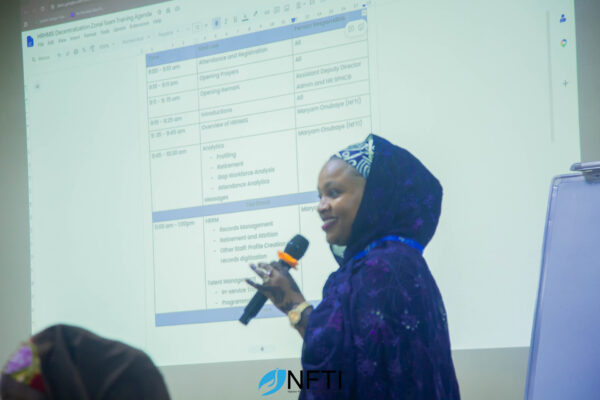
The engagement focused on helping zonal officers understand how to use the platform to manage health workforce information, process administrative activities and monitor staff records within their respective zones. Participants were taken through the Analytics, Messages, Human Resources for Health Management, Talent Management, Leave Management and Transfer modules, as well as the Activity Log.
During the practical sessions, participants examined how the system handles workforce records, retirement projections, monthly staff rosters, training records, leave applications, transfers and other administrative processes. The walkthrough also provided an opportunity to assess the platform’s functionality from the perspective of zonal users.

Participants also identified areas requiring adjustments to improve the platform’s functionality, data visibility and user access across the different administrative levels.
The training builds on the decentralisation work undertaken earlier in November, when 60 health workforce managers from 15 Local Government Areas across Zones 1 and 2 received training on the HRHMIS platform. Extending the engagement to zonal officers further strengthens the chain of responsibility required to manage workforce information across the State’s primary healthcare system.
As the system moves towards wider operational use, continued engagement with officers at the zonal and local government levels will be important to improving data accuracy, strengthening administrative processes and ensuring that workforce information is accessible to the people responsible for managing it.
The session was concluded with remarks from the SPHCB HRHMIS Desk Officer, Mr. Salim.
