Evidence, Lessons, and Roadmap for Scaling Inclusive Digital Skills Programmes
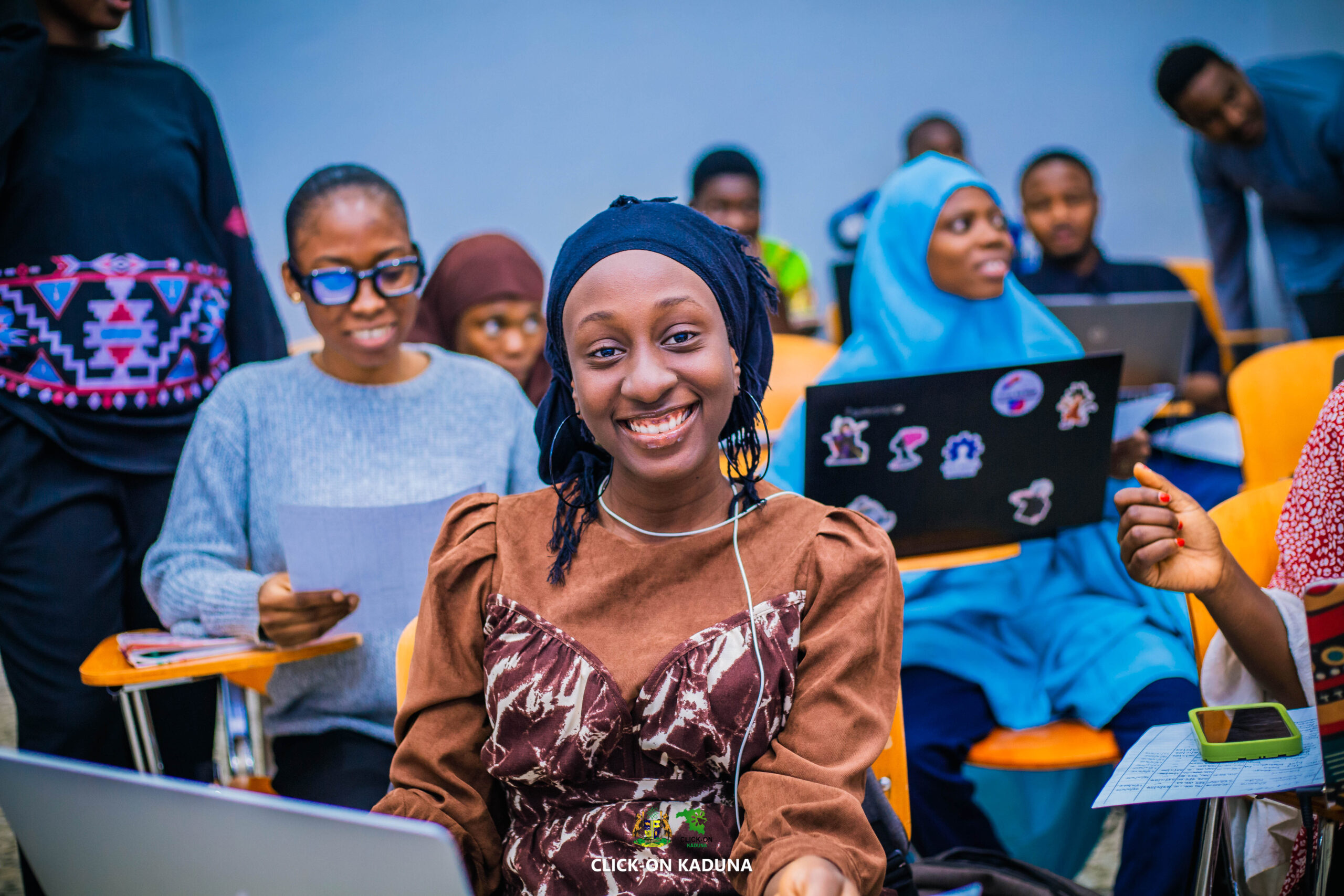
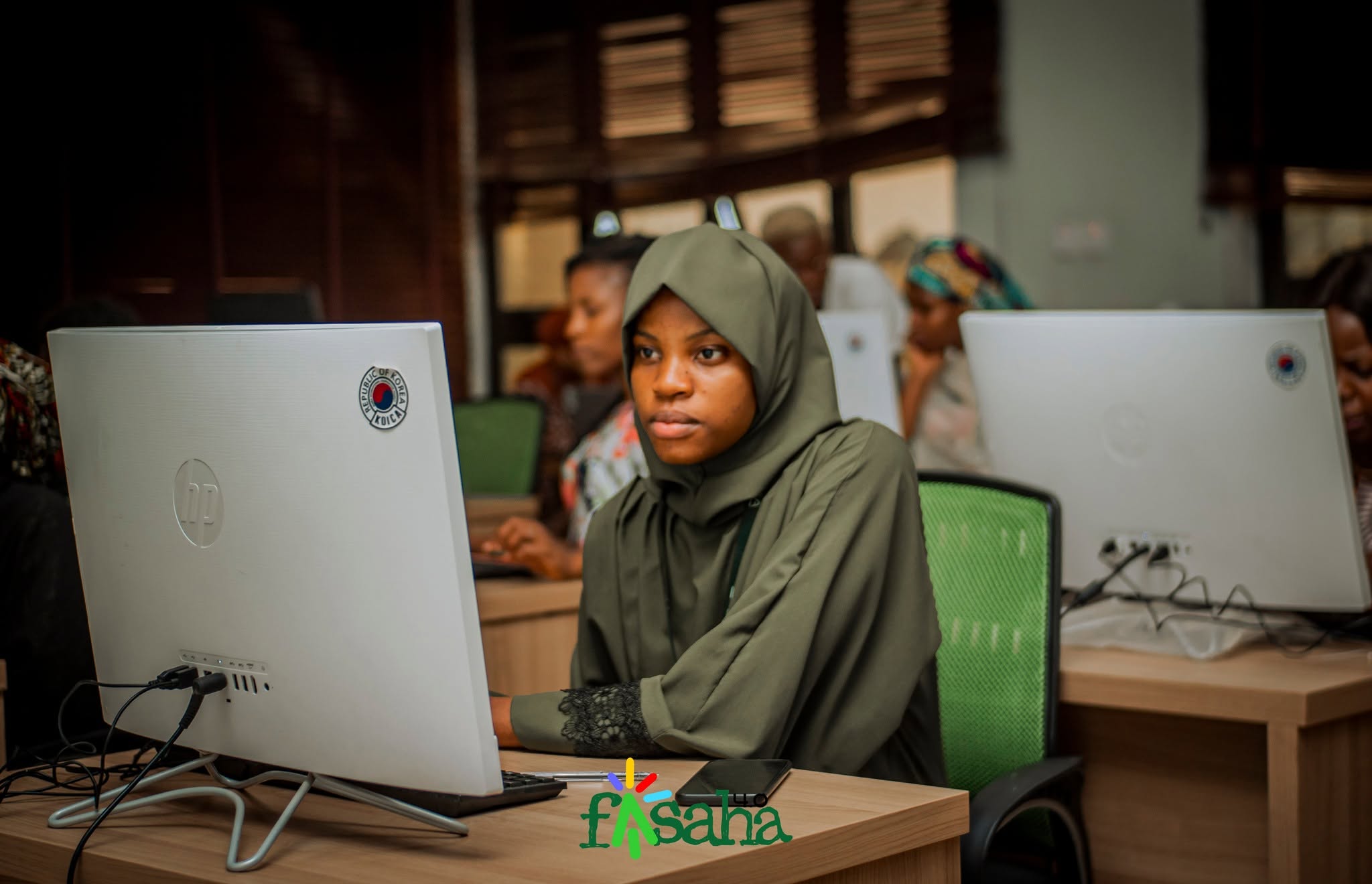
Nigeria's digital economy is growing faster than its workforce can keep pace with, and the gap falls hardest on women in fragile, conflict-affected communities. This policy brief presents the evidence from Fasaha Gina Mata, Gina Al'Umma, a World Bank–backed digital skills programme delivered by the Natview across six Nigerian states including the Federal Capital Territory. Reaching 1,095 participants — including displaced persons, out-of-school adolescents, and survivors of gender-based violence — the programme recorded an 81 percent gain in measured digital skills, a 44 percent transition into formal employment or freelance work, and 98 percent participant satisfaction. Drawing on this evidence, the brief sets out what worked, what didn't, and a prioritized roadmap for scaling the model nationally and across the region.