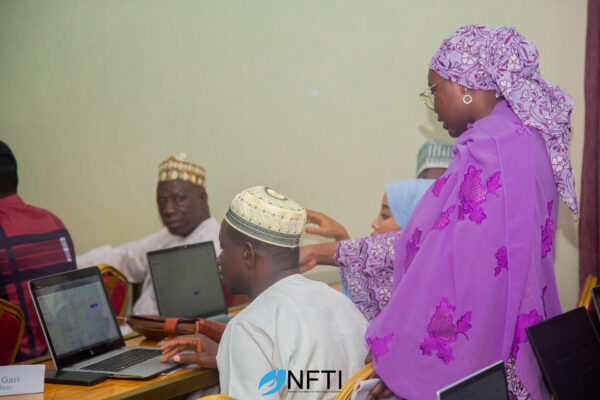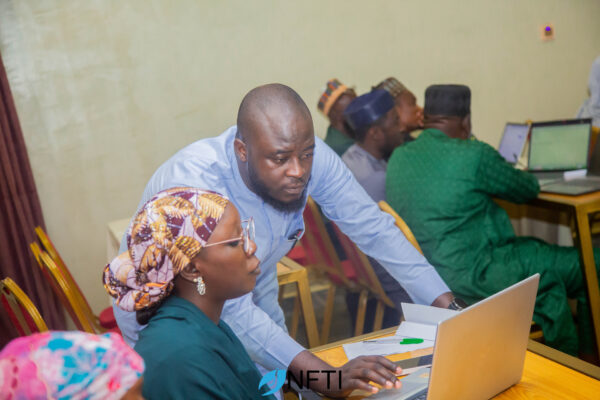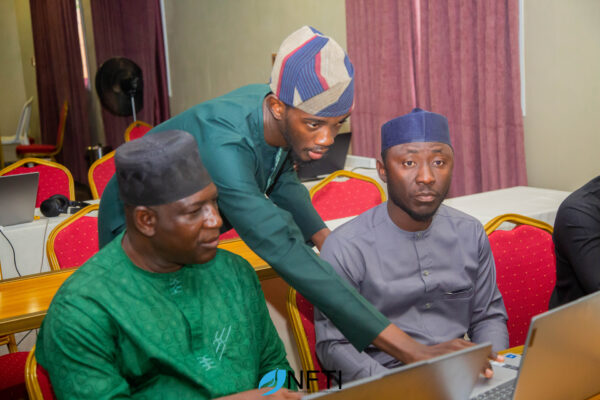
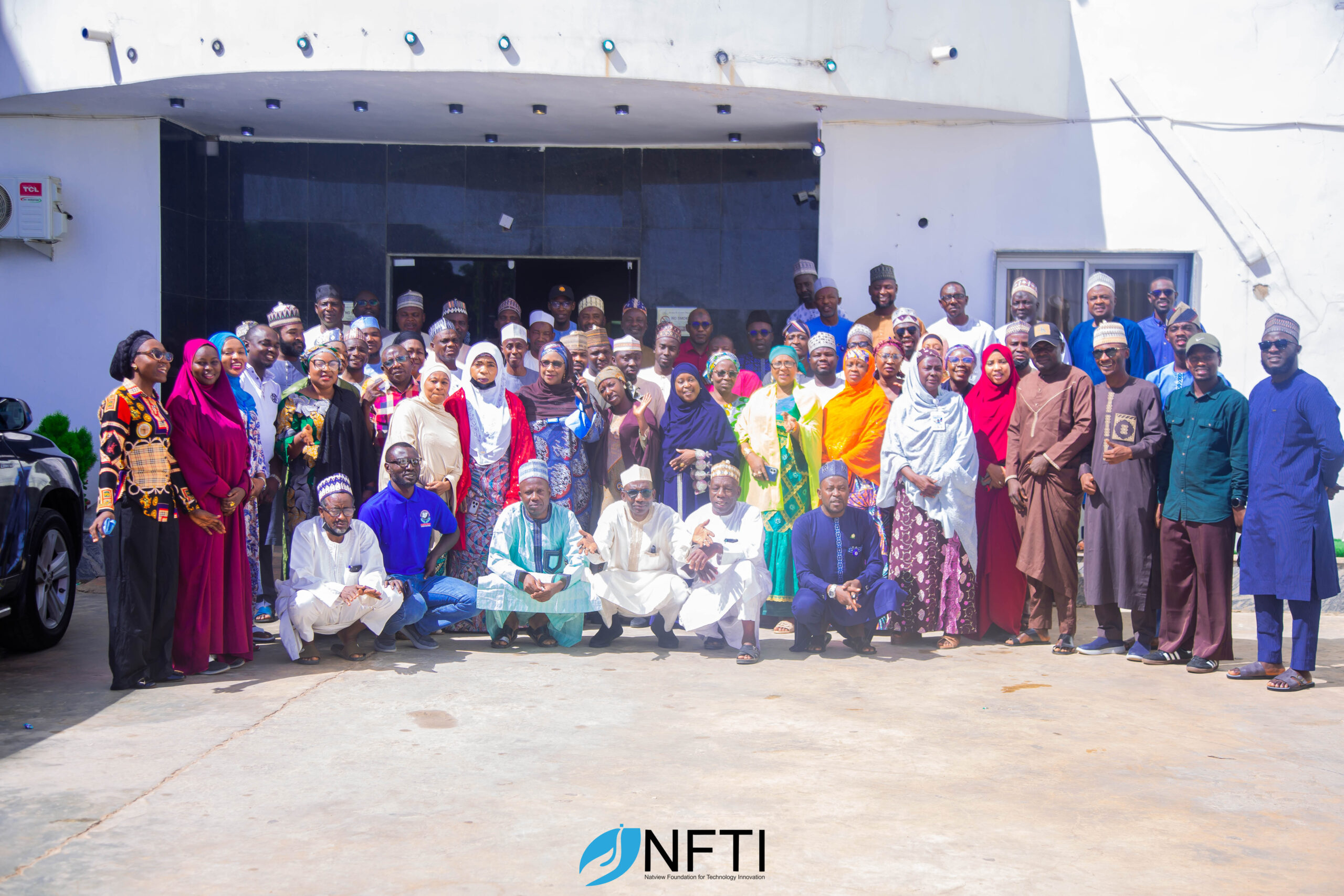
Featured Image: Participants from Zone 1 and Zone 2 LGAs at the HRHMIS decentralization training, Zaria, 10 to 12 November 2026.
Health Secretaries, Deputy Health Secretaries, Admin and M&E officers from 15 Local Government Areas in Zone 1 and Zone 2 gain direct access to the State’s Human Resource for Health Management Information System.
ZARIA, 12 November 2026. Sixty health workforce managers from 15 Local Government Areas (LGAs) across Zone 1 and Zone 2 of the Kaduna State Primary Health Care Board (SPHCB) completed a three-day intensive training on the decentralized Human Resource for Health Management Information System (HRHMIS). The training, held from 10 to 12 November 2026 at the R and K Guest Palace Hotel Conference Hall, Zaria, and was facilitated by the Natview Foundation for Technology Innovation (NFTI), the technical partner that designed and deployed the platform for the State.
The session marks a turning point in how Kaduna manages its primary health care workforce. For the first time, the officers who directly supervise health workers at the LGA level will record, approve, and monitor workforce data on the same live system used at state headquarters. Leave approvals, staff transfers, duty station updates and training records that once traveled to the capital on paper at month’s end can now be captured where the decisions are made.
Moving From a Central Dashboard to Every LGA
The HRHMIS was first deployed as a centralized platform at SPHCB headquarters. Ninety-three percent of the Board’s human resource records have now been digitized, and biometric attendance has been integrated across 23 centers of excellence.
The platform profiles health workers by gender, cadre, qualification and location, projects retirements, monitors transfers and attrition, and records in-service and program training.
A central system, however, depends on data that arrives from the field. Until now, LGA and zonal teams submitted workforce data manually at the end of each month. The delays affected decisions on transfers, leave approvals, and duty station monitoring, and LGA administrative officers had little or no access to the system they were feeding.
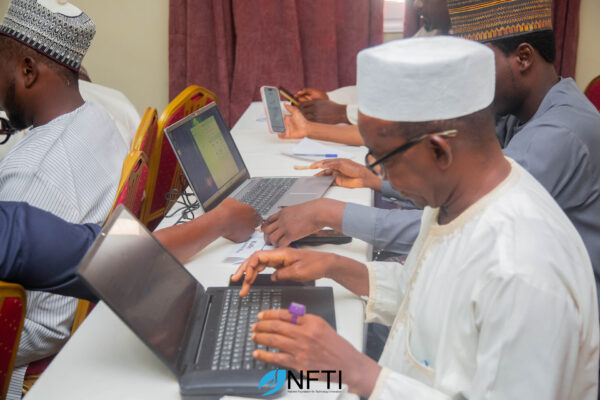
A Health Secretary navigating the HRHMIS dashboard on a laptop
Decentralization addresses both gaps. It is the next stage in a phased roadmap agreed with the SPHCB, which moves from central deployment to zonal and LGA reporting, and later to payroll integration and staff self-service.
Four Officers, One Shared System in Each LGA
Each of the 15 participating LGAs sent a team of four: the Health Secretary, the Deputy Health Secretary, the Administrative Officer and the Monitoring and Evaluation Officer. Together, these four roles initiate, approve and verify most of the workforce decisions taken at the LGA level.
Training them as a unit means each LGA leaves Zaria with a complete chain of responsibility on the platform. Admin officers initiate records and transfers, Health Secretaries and their deputies review and approve them, and M&E officers track data quality and report on trends.
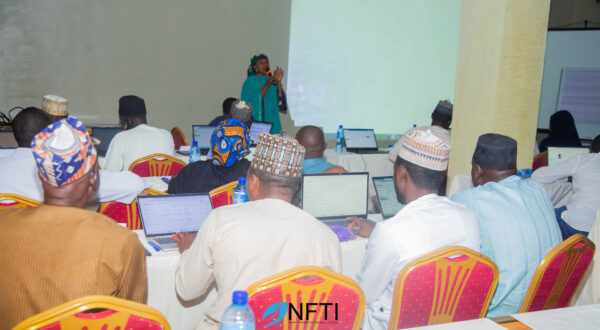
An LGA team of four working together at their table
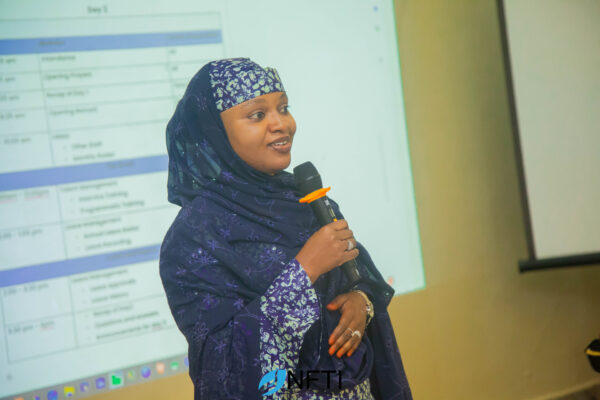
Mrs. Maryam Onubaye, Program Officer, Human Resource for Health, NFTI, leading the analytics session
The HRHMIS is a long-awaited innovation in Kaduna State Civil Service, especially at the SPHCB, and it has come to stay. It will shape the way human resource management is done, especially now that paper archiving has become a growing problem. It shows we are keeping pace with the trends of the modern era. The system is still being observed and developed, but we are confident it will overcome any challenges with time.
- Dr. Amos Bitrus, Health Secretary, Chikun LGA
Building Capacity Where Decisions Are Made
NFTI has supported the SPHCB at every stage of the HRHMIS journey, from process mapping and digitizing staff records to physical headcounts, staff verification, and the pilot of biometric attendance. The Zaria training continues that work, combining platform instruction with hands-on practice on each LGA’s own data.
A team of NFTI facilitators and technical experts delivered the sessions alongside SPHCB officials, keeping the focus on the daily tasks LGA officers perform.
The centralized platform showed the State what its health workforce looks like. Decentralization puts that picture in the hands of the people who manage health workers every day. Accurate workforce data, kept where staff decisions are made, helps the State deploy health workers where communities need them most. The system is now in government hands at every level, and that is what makes the HRHMIS sustainable. Over the coming weeks, NFTI will work alongside each LGA team as they put these workflows into daily practice.
- Mrs. Maryam Onubaye, HRH Program Officer
This training is encouraging and long overdue, especially for administration. It brings the LGA, zonal, and state levels closer together, so every transaction can be traced properly at each level. For me, it means speed, better delivery, clarity, and easy access to information. For the State, it will strengthen commitment to work, improve the quality of our data and raise the work ethic of the Kaduna State health workforce.
- Mrs. Jamila Yakowa, Admin Officer, Kaduna North LGA
What Comes Next
The trained teams move straight into quality assurance from 16 November 2026, with NFTI providing handholding and monitoring through a dedicated virtual support channel. Early checks will focus on retirement and attrition records, monthly rosters and leave initiation.
With Zone 1 and Zone 2 now trained, the decentralization effort lays the groundwork for every primary health care manager in Kaduna to work from a single, current picture of the State’s health workforce.
Moments from Zaria
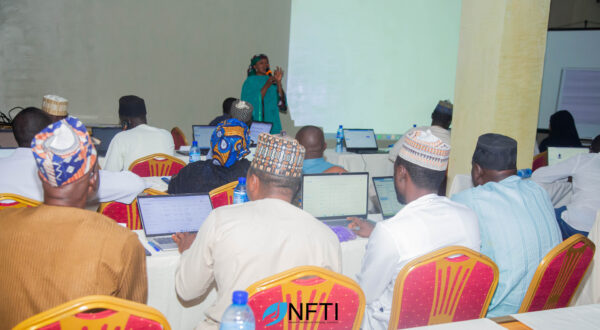
Cross-Section of Participants
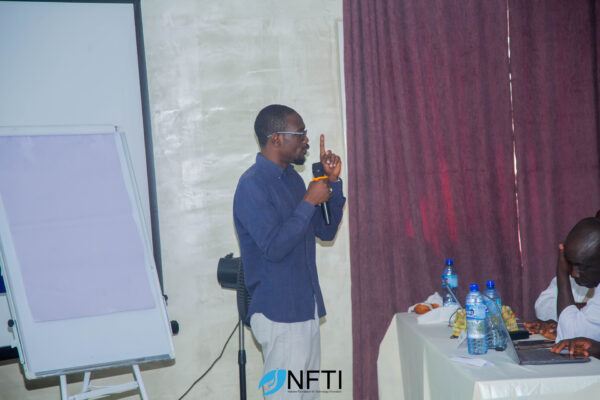
Mr. Yakub Abdulmalik, Senior Program Officer, Digital Health, NFTI, leading a training session
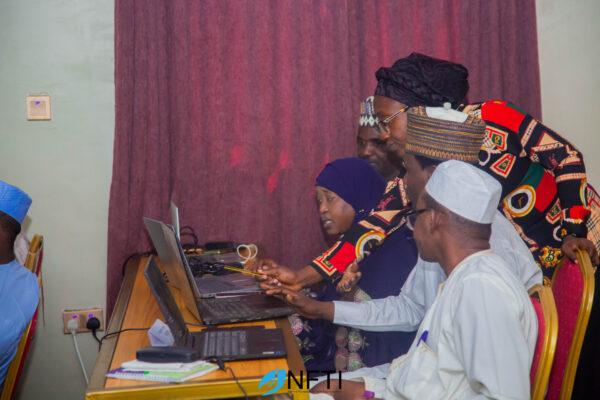
NFTI Data Analysts providing training support