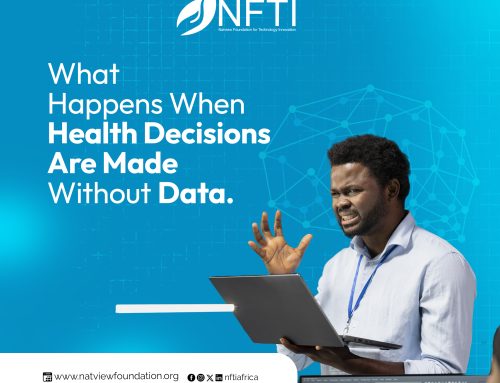
Every decision made within a health system has consequences. Whether it is deploying healthcare workers, renovating a Primary Health Centre, distributing vaccines, or responding to disease outbreaks, each decision depends on one thing: reliable data.
Yet, for many health systems, one of the greatest barriers to effective planning is not a lack of data, it is the inability to manage and use that data effectively.
Health facility information often exists across multiple platforms, each serving a different purpose. Over time, these systems can contain duplicate records, inconsistent facility names, outdated classifications, and conflicting information. As a result, planners spend valuable time reconciling datasets before they can make informed decisions. In some cases, decisions are made using information that no longer reflects realities on the ground.
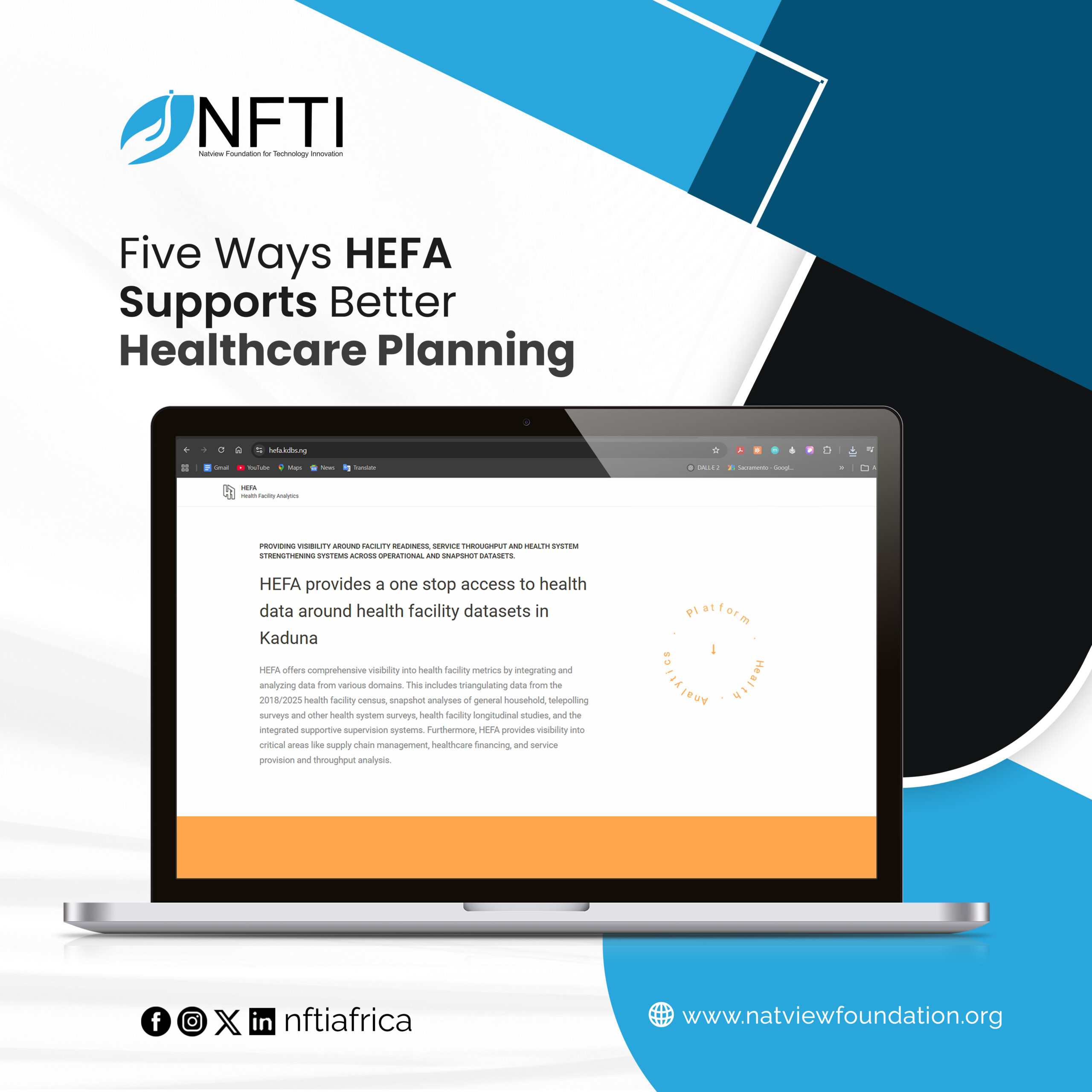
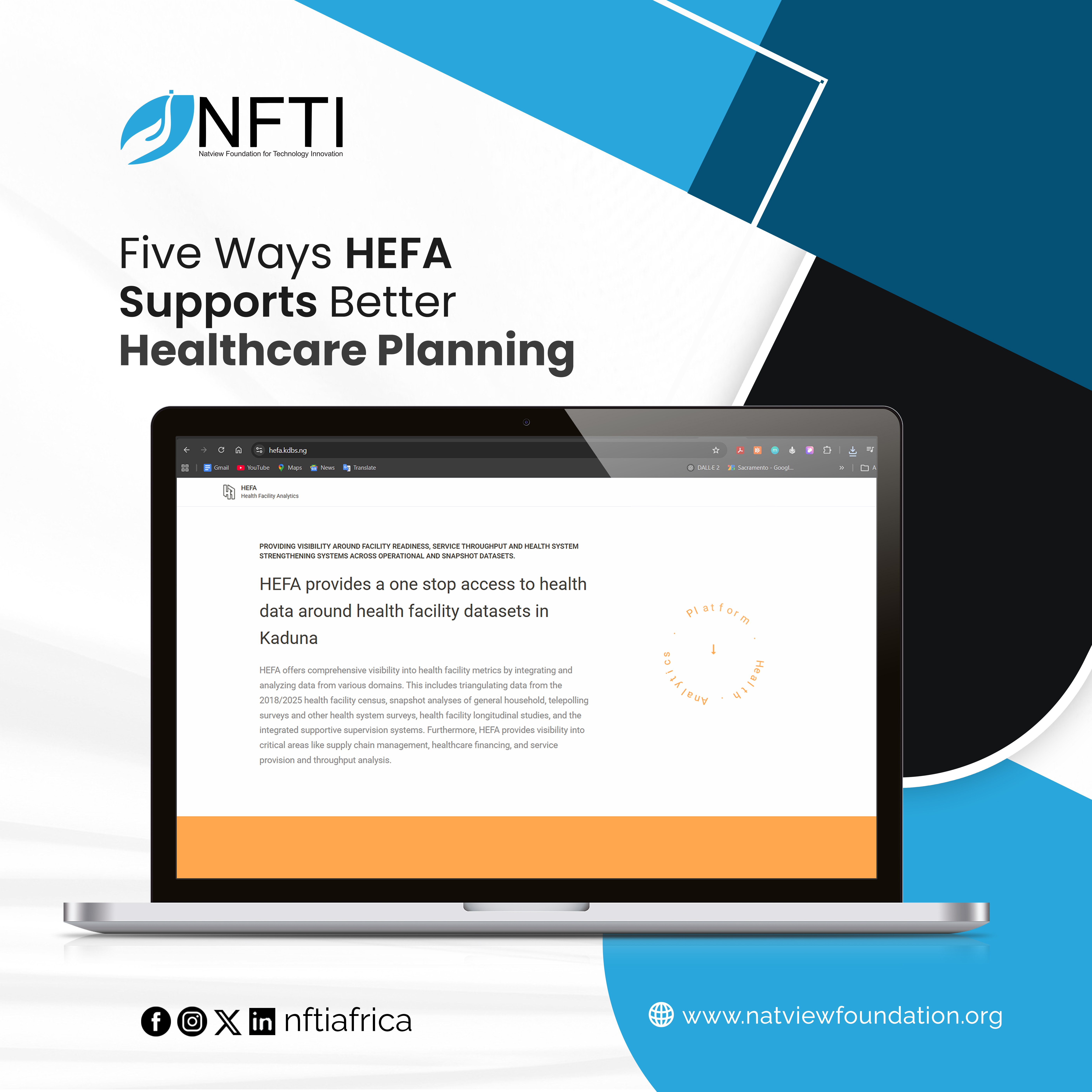
This is precisely the challenge the Health Facility Analytics (HEFA) Registry Platform was designed to address.
Developed through the collaboration of the Natview Foundation for Technology Innovation (NFTI) and the Kaduna State Bureau of Statistics (KDBS), HEFA provides a centralized registry for health facility information, giving stakeholders access to accurate, standardized, and continuously updated data. Rather than waiting for periodic facility censuses to understand the state of healthcare infrastructure, decision-makers can access real-time information that supports timely planning, coordination, and resource allocation.
Here are five ways HEFA is strengthening healthcare planning across Kaduna State.
1. Creating One Reliable Source of Health Facility Information
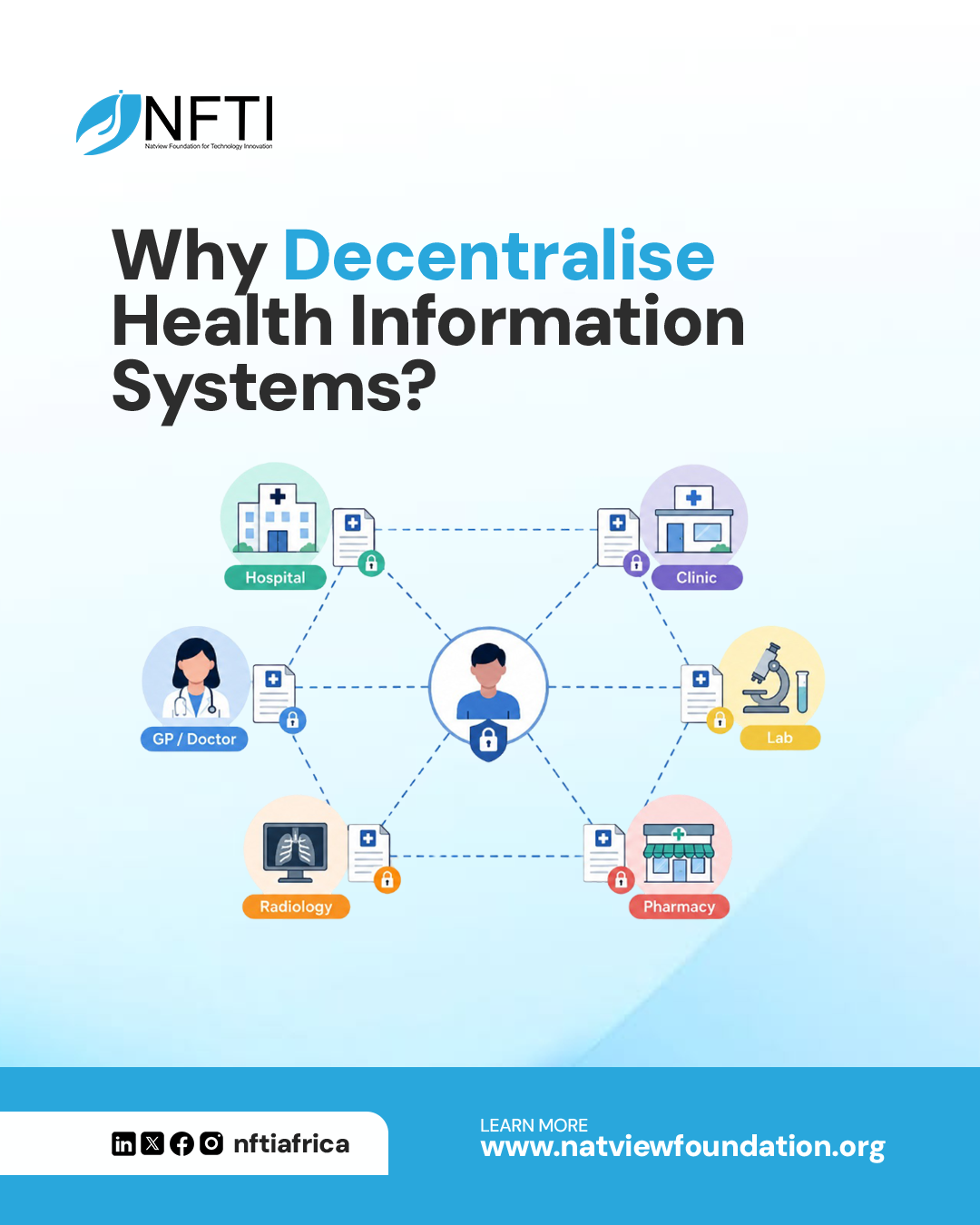
One of the biggest obstacles to effective planning is fragmented information.
Different departments often rely on different datasets. A facility listed in one system may appear under another name in a separate platform or may not exist there at all. Such inconsistencies create confusion, delay planning processes, and undermine confidence in the data.
HEFA addresses this challenge by consolidating facility information from systems such as the Health Management Information System (HMIS), Electronic Integrated Supportive Supervision (EISS), and microplanning databases into a single authoritative registry. The platform is aligned with the National Health Facility Registry (NHFR) and the Master Facility List, ensuring that stakeholders across government agencies and implementing partners reference the same standardized information.
When everyone works from one trusted source, collaboration becomes easier, reporting becomes more consistent, and planning becomes more efficient.
2. Enabling Decisions with Real-Time Data
Traditionally, governments have relied on facility assessments or periodic censuses to understand the state of health facilities. While these exercises provide valuable insights, they only capture conditions at a specific point in time. By the time reports are completed and disseminated, circumstances may already have changed.
HEFA introduces a different approach.
The platform supports real-time decision-making by maintaining regularly updated facility information. Every month, an update cycle is triggered on the 25th, with automated reminder emails sent to responsible officers to review and update facility records. This ensures that changes within the health system are reflected promptly.
Key indicators, including facility functionality and security status, are updated regularly, allowing health managers to identify challenges as they emerge rather than months later.
For policymakers, this means decisions can be based on current realities rather than outdated reports. It also enables faster responses to operational challenges and improves the overall responsiveness of the health system.
3. Improving Data Quality Through Standardization and Accountability
Good planning begins with good data.
The development of HEFA was guided by five core principles: accuracy, timeliness, standardization, transparency, and accountability. These principles are embedded throughout the platform’s design and implementation.
Standardized data structures reduce inconsistencies across systems while clearly defined roles and responsibilities help ensure that facility information is maintained by the appropriate officers.
The monthly update process promotes accountability by assigning responsibility for maintaining current records rather than relying on periodic data-cleaning exercises.
As data quality improves, so does confidence in the information used for planning, budgeting, monitoring, and performance assessment.
4. Supporting Smarter Resource Allocation
Healthcare planning extends beyond counting facilities.
Decision-makers need to understand which facilities are operational, which require upgrades, where infrastructure gaps exist, and how resources should be distributed to maximize impact.
HEFA provides this visibility.
By maintaining up-to-date information on Centres of Excellence (COEs), Primary Health Centres (PHCs), and Health Clinics (HCs), the platform enables health managers to identify service gaps, prioritize investments, and deploy resources more strategically.
Rather than relying on assumptions or fragmented reports, planners have access to a comprehensive overview of health facility information that supports more effective decision-making.
This contributes to better coordination between agencies and improves the efficiency of investments across the health sector.
5. Building Capacity for Sustainable Digital Health Systems
Technology only creates impact when people know how to use it.
Recognizing this, NFTI has complemented the development of the HEFA Registry Platform with extensive stakeholder engagement and capacity-building initiatives across Kaduna State.
Through sensitization sessions, demonstrations, and cascade trainings held in Kaduna, Zaria, and Kafanchan, State Monitoring and Evaluation Officers, HMIS Officers, Health Secretaries, Zonal Coordinators, and other key stakeholders have been trained on the practical use of the platform.
These engagements have gone beyond introducing the technology. Participants have received hands-on demonstrations of the dashboard, explored its workflow, logged into the system, and gained practical experience using the platform to support their daily responsibilities.
The interactive sessions have also created opportunities for stakeholders to ask questions, provide feedback, and better understand how HEFA integrates with existing health information systems.
This investment in people is essential for ensuring that the platform remains sustainable long after implementation.
Digital transformation is not simply about replacing paper records with technology. It is about creating systems that enable governments to make faster, smarter, and more informed decisions.
The Health Facility Analytics (HEFA) Registry Platform demonstrates what is possible when technology, collaboration, and data governance come together to solve practical challenges.
By providing a standardized health facility registry, enabling real-time data updates, improving accountability, strengthening planning, and building local capacity, HEFA is helping Kaduna State establish a more resilient health information system.
As governments increasingly rely on data to improve healthcare delivery, platforms like HEFA will play an important role in ensuring that every decision is informed by accurate, timely, and reliable information.
For NFTI, this reflects a broader commitment to leveraging technology and data innovation to strengthen public systems and improve lives. Because when health planners have access to the right information at the right time, they are better equipped to deliver the services communities need—and that is where meaningful impact begins.