
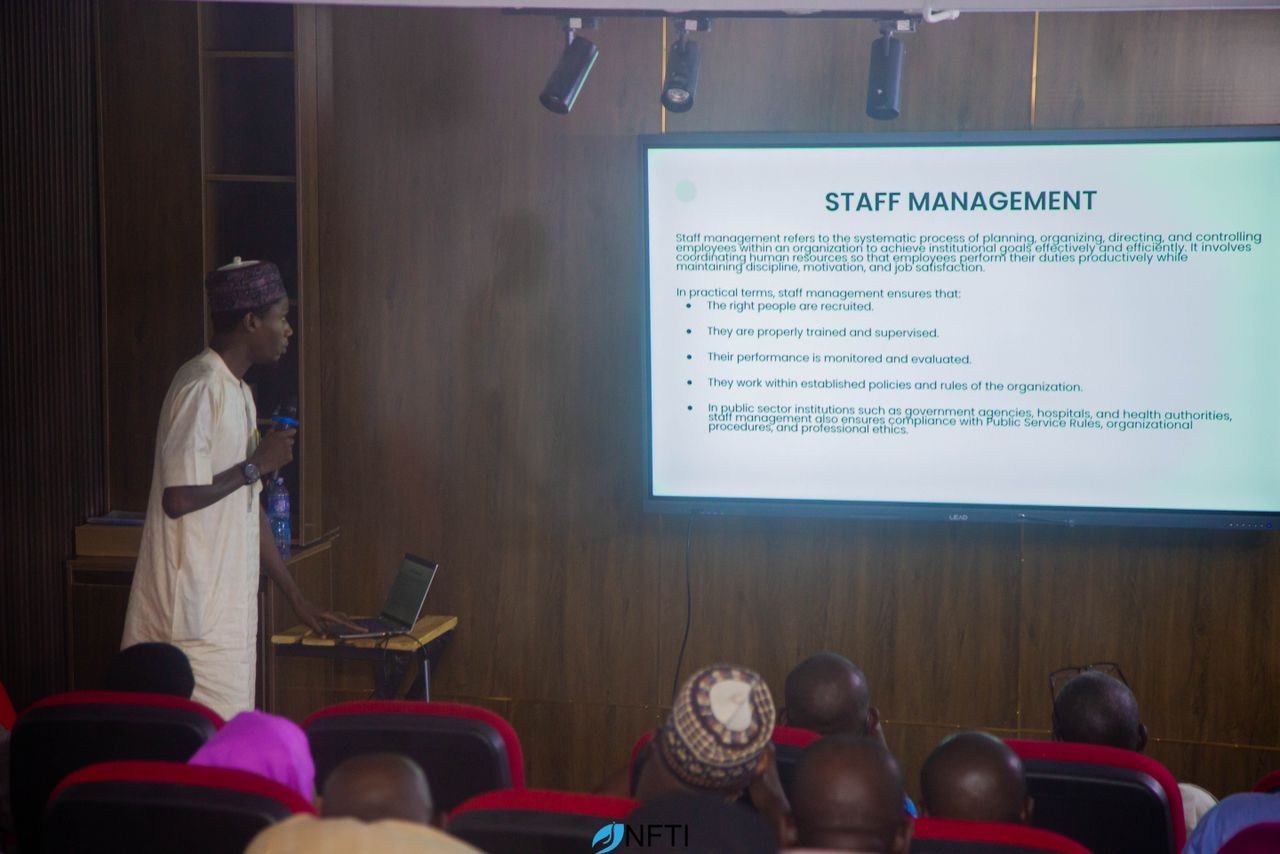
Natview Foundation for Technology (NFTI) has conducted a Supervisory Plan Training Engagement for the Longitudinal Study (LS) 2.0 as part of ongoing efforts to strengthen field supervision, data quality assurance, and operational efficiency in the study’s implementation.
The training brought together State and Local Government Area (LGA) teams serving as field supervisors. The session provided a structured platform to equip participants with the knowledge, tools, and practical skills required for effective monitoring and evaluation within the study.
The engagement focused on building a shared understanding of the Longitudinal Study 2.0 framework, including its objectives, scope, and key indicators. Participants were oriented on the Supervisory Plan, with emphasis on roles, responsibilities, and expectations required to ensure consistent and high-quality supervision across selected health facilities. The importance of continuous data tracking and its contribution to evidence-based decision-making within the health system was also highlighted.
The Supervisory Plan framework outlined clear accountability structures, including expectations for timely reporting, adherence to supervision schedules, and active engagement during field activities. Participants were guided on their responsibilities in conducting field visits, validating data, and providing on-site support to ensure adherence to study protocols.
Technical sessions formed a key component of the training. Participants received practical guidance on Supply Chain Management (SCM), including vaccine stock management, consumption reporting, requisition processes, and the calculation of minimum and maximum stock levels. These sessions were designed to strengthen participants’ capacity to manage commodities efficiently and support uninterrupted service delivery.
The training also included sessions on the use of the Open Data Kit (ODK) tool for data collection. Participants were introduced to the relevant components of the tool, including modules related to SCM and Human Resources for Health (HRH), as well as data synchronization processes. Hands-on practical sessions allowed participants to test the tool, navigate its features, and validate their understanding of data collection workflows, followed by a refresher segment to address identified gaps.
In addition, the field deployment schedule was presented, outlining assigned facilities, timelines, supervisory roles during field visits, and reporting expectations. This ensured alignment and preparedness among participants ahead of field activities.
The Supervisory Plan Training Engagement marks a critical step in strengthening oversight and accountability within Longitudinal Study 2.0. By combining technical instruction with practical application, the training reinforces NFTI’s commitment to ensuring high-quality data collection and effective supervision, ultimately supporting improved data-driven decision-making within the health sector.
