
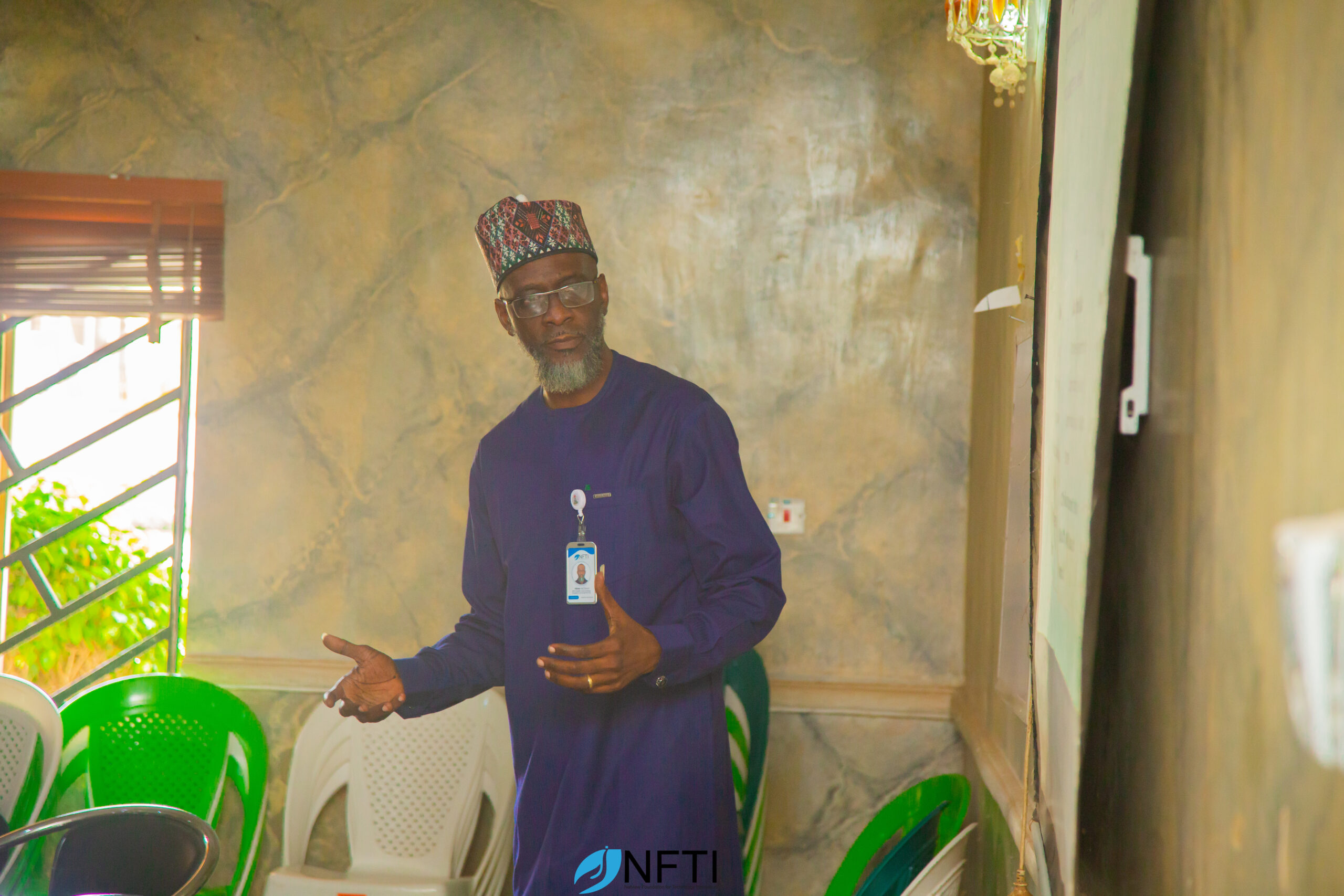
The Natview Foundation for Technology Innovation (NFTI) convened a Peer Learning and Data Review Session in Jema’a Local Government Area as part of the ongoing implementation of the Longitudinal Study (LS 2.0), bringing together Officers-in-Charge (OICs), Local Government officials, Zonal and State representatives, and NFTI team members to review progress, validate findings, and identify practical actions to strengthen primary healthcare service delivery.
The session provided stakeholders with an opportunity to reflect on the progress of the Longitudinal Study after six rounds of data collection and monitoring. Participants reviewed evidence generated from health facilities across the LGA and engaged in discussions aimed at improving facility readiness and health system performance.
During the session, NFTI presented an overview of the Longitudinal Study, highlighting its objectives, implementation approach, and the role of continuous facility monitoring in generating evidence for decision-making. Updates were also shared on activities conducted during the first six rounds of the study, including key achievements, operational lessons, and challenges encountered during implementation.
A major highlight of the meeting was the presentation of findings on Human Resources for Health (HRH), Supply Chain Management (SCM), Essential Medicines, Vaccines, and overall facility performance. Participants reviewed data-driven insights from the study, discussing areas where facilities demonstrated strong performance as well as gaps requiring attention from facility managers and health authorities.
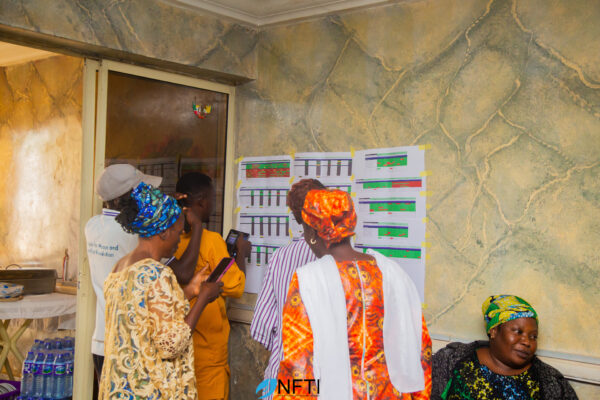
The session also featured a collaborative review of the Longitudinal Study scorecards. Facility representatives and government stakeholders worked together to validate findings, clarify observed trends, and examine factors influencing facility performance. The discussions encouraged peer learning and experience sharing among participants, creating opportunities to identify solutions that could be adapted across facilities.
To address process gaps identified through the study, a capacity-building session was conducted, focusing on strengthening routine facility processes, improving documentation practices, enhancing compliance with existing guidelines, and promoting continuous quality improvement within health facilities.
At the close of the meeting, participants developed actionable recommendations aimed at improving Primary Health Facility readiness. Stakeholders agreed on priority actions, assigned responsibilities, and committed to implementing the agreed improvements before subsequent rounds of the Longitudinal Study.
The session resulted in a stronger understanding of the study’s progress in Jema’a LGA, validation of key findings and scorecards, and the development of practical solutions to address identified gaps in HRH, Supply Chain Management, Essential Medicines, and Vaccine availability. Participants also reaffirmed the importance of continuous learning, supportive supervision, and routine monitoring in strengthening health facility performance.
NFTI remains committed to supporting evidence-driven decision-making and fostering collaborative learning platforms that contribute to stronger primary healthcare systems and improved health outcomes across Kaduna State.
