
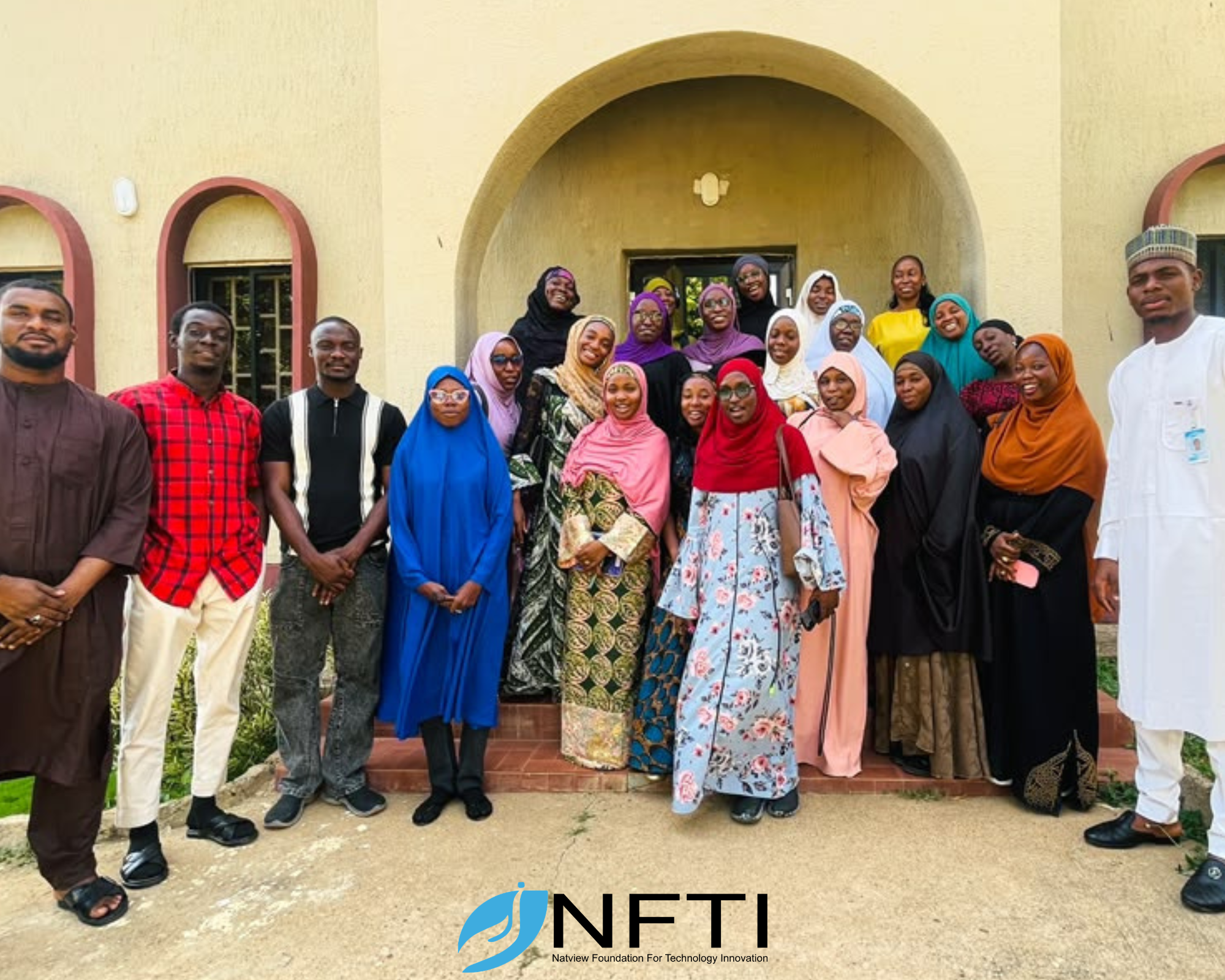
Through a practical demonstration of its data-driven healthcare innovations, Natview Foundation for Technology Innovation is inspiring a new generation of women AI innovators to see technology as a tool for solving real-world problems.
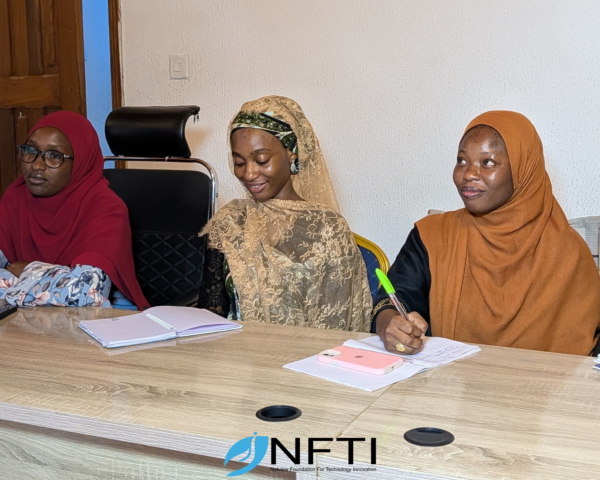
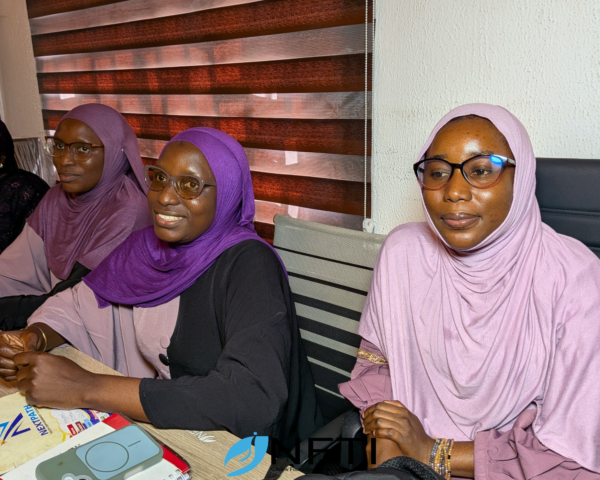
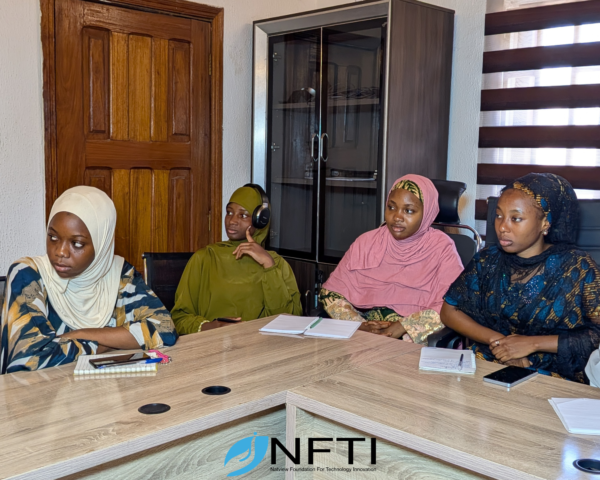
On November 10, 2026, NFTI hosted the SheBuilds AI fellows for an interactive courtesy visit and knowledge-sharing session designed to bridge the gap between classroom learning and the realities of applying data, technology and artificial intelligence to development challenges.
Implemented by the Brain Builders Youth Development Initiative, with support from the Canada Fund for Local Initiatives (CFLI), the six-month SheBuilds AI Fellowship aims to develop Africa’s next generation of women artificial intelligence innovators by addressing barriers that limit young women’s participation in technology.
For the 20 visiting fellows, the engagement offered more than an institutional introduction. It was an opportunity to see how technology, when deliberately applied, can strengthen public institutions, improve service delivery and address challenges within communities.
Welcoming the fellows, Mr. Olubunmi Olorunpomi, Senior Program Officer for Strategic Communications and Advocacy at NFTI, congratulated them on their selection and provided an overview of the Foundation’s work and impact in Kaduna State and beyond. He highlighted NFTI’s commitment to leveraging data and emerging technologies to strengthen institutions and improve development outcomes.
A major highlight of the engagement was a demonstration of NFTI’s Longitudinal Study (LS) dashboard, led by Mr. Mudathir Muhammad Salahudeen, Program Officer for Data Engineering. The demonstration brought the value of data closer to home for the visiting fellows.
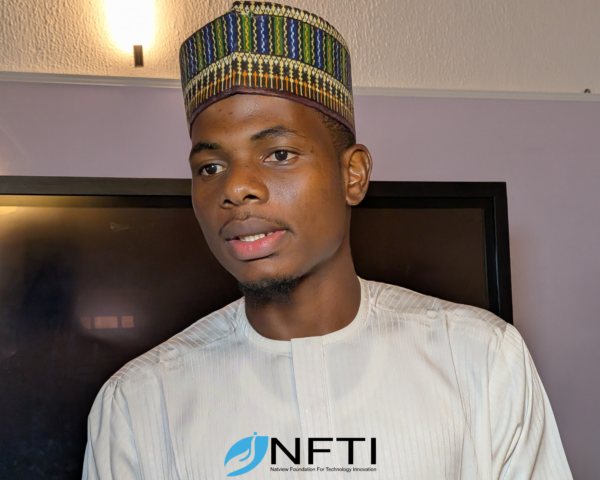
To further demonstrate how information collected at the grassroots level becomes actionable intelligence, NFTI’s technical team provided a walkthrough of the processes, technologies and people behind its Longitudinal Study.
Mr. Oladapo Bolaji Tosin, Program Officer for Data Pipeline and Automation, explained the data pipeline, taking the fellows through how information moves from the Open Data Kit (ODK) server through cleaning and processing before appearing on the dashboard. He emphasized that data cleaning is essential to ensuring that the information presented to decision-makers is reliable and useful.
Data Associate, Miss Blessing Otache, provided insights into the Foundation’s data validation process, highlighting the importance of verifying information collected from health facilities. She discussed practical field challenges, including discrepancies in records, gaps in facility stock documentation and incomplete reporting by Data Champions. The fellows learned how these challenges are addressed through verification exercises and follow-up visits to ensure accurate facility records.
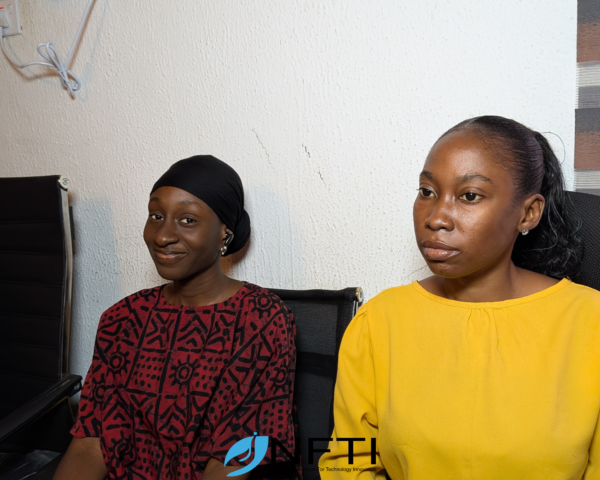
Taking the fellows closer to the field, Data Associate Miss Miriam Barde demonstrated the ODK tools used for data collection.
Together, the presentations offered a comprehensive picture of how data collection, engineering, automation, artificial intelligence and human expertise work together to address real development challenges.
The engagement concluded with an interactive question-and-answer session, giving the fellows an opportunity to engage directly with NFTI’s technical professionals, explore career pathways, and gain practical perspectives on working within the technology ecosystem.
For NFTI, the engagement reflects the importance of connecting emerging technology talent with institutions already applying innovation to real-world development challenges.
News Contribution: Comfort Faruna
