
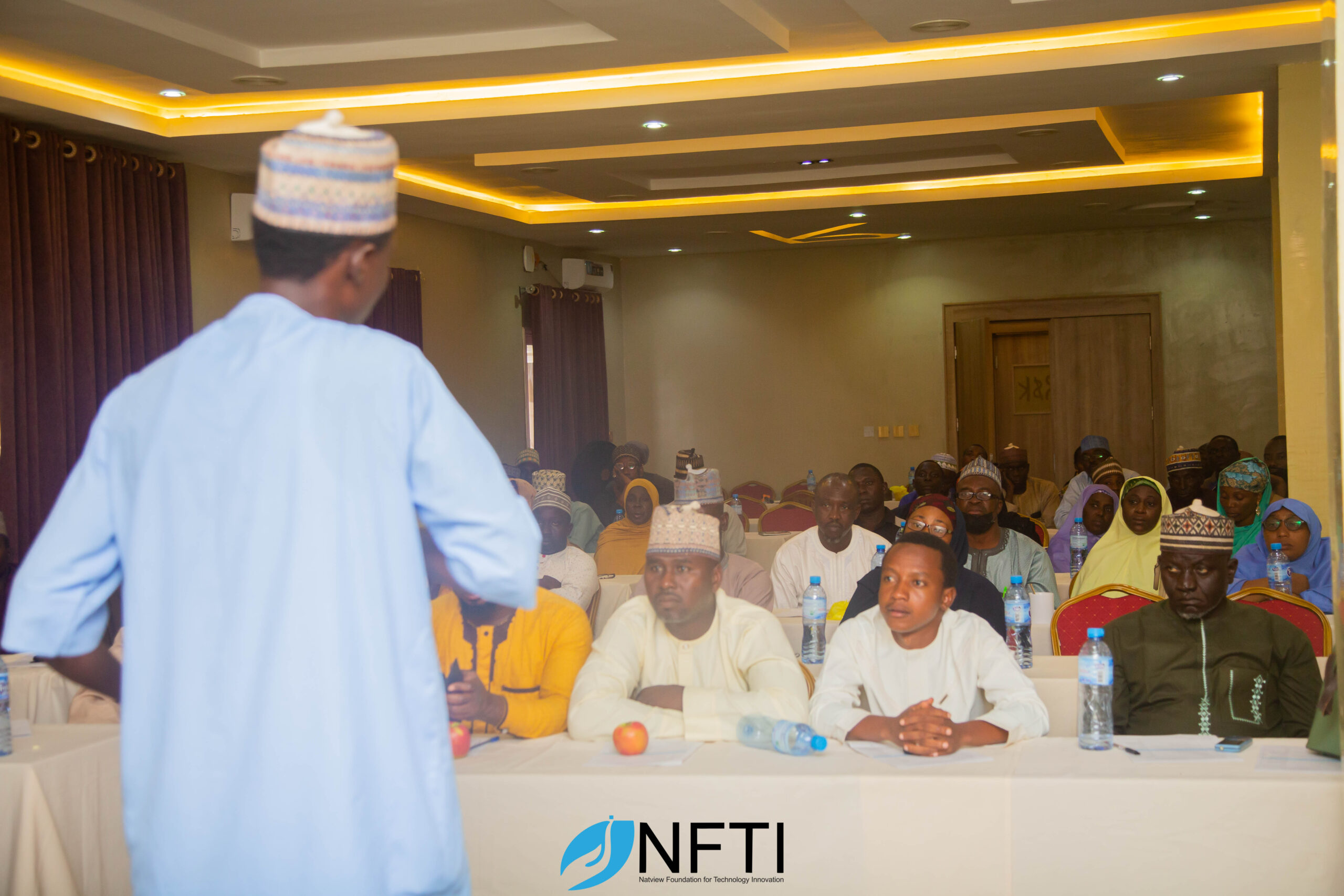
Peer Learning Sessions were held across Kaduna South, Kaduna North, Chikun, Makarfi, and Kubau Local Government Areas, bringing together health stakeholders to review findings from the ongoing Longitudinal Study on Human Resources for Health (HRH) and Supply Chain Management (SCM).
The sessions followed 15 rounds of biweekly longitudinal monitoring visits conducted across participating facilities in Kaduna South, Kaduna North, Chikun, and Makarfi, and 13 rounds in Kubau. The visits generated regular data on workforce availability, supply chain management, facility readiness, and other key areas of Primary Health Care service delivery.
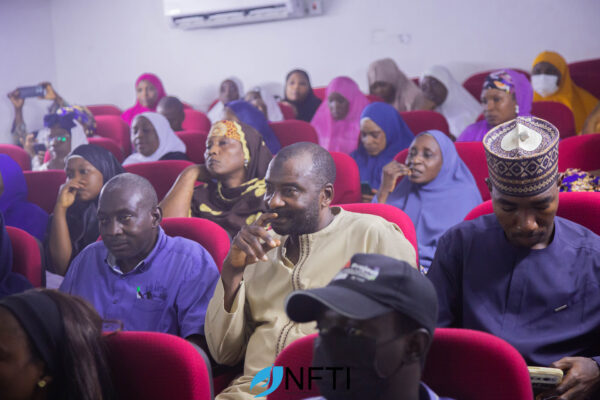
With findings from these monitoring rounds, stakeholders had the opportunity to examine what the data was showing across their facilities, discuss challenges, and share experiences on what was working and where improvements were still needed.
Facility Managers, Pharmacy Technicians, LGA health teams, and other stakeholders participated in discussions that encouraged learning across facilities and LGAs. Participants shared practical experiences from their facilities, discussed common operational challenges, and identified approaches that could be adapted to improve performance in other facilities.
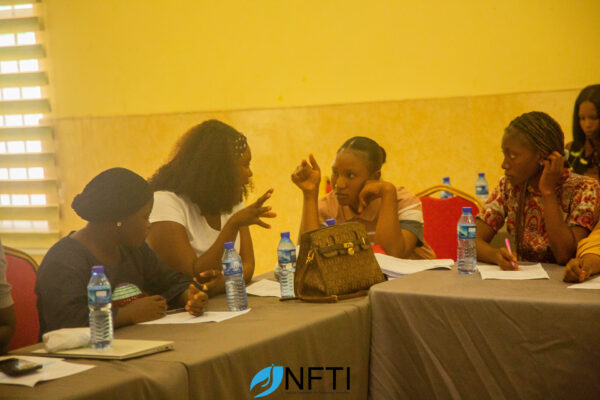
The sessions also created space for stakeholders to look beyond individual facility performance and understand broader trends emerging from the longitudinal study. Discussions focused on issues including human resource gaps, commodity availability and management, documentation, data quality and use, and the need for stronger follow-up and supportive supervision.
A key part of the sessions was the opportunity for facilities to learn from one another. Experiences from facilities that had recorded improvements provided practical examples for others, while facilities facing persistent challenges were able to discuss these issues collectively and identify possible solutions.
The peer learning sessions demonstrated the value of continuously collecting and reviewing data at the facility and LGA levels. By bringing stakeholders together around evidence generated through repeated monitoring, the sessions supported a shared understanding of the current state of Primary Health Care facilities and encouraged stakeholders to take ownership of addressing identified gaps.
The sessions concluded with stakeholders identifying practical actions to strengthen facility readiness, improve the use of data for decision-making, and sustain improvements across the participating LGAs.
The Peer Learning Sessions reinforced the importance of continuous learning, collaboration, and evidence in strengthening Primary Health Care delivery across Kaduna State.
